Keno Results for New Zealand: How to Check a Draw
 Available in US
Learn how player-selected numbers differ from the numbers drawn, and how the result relates to a Keno line.

Table of Contents
- How Keno Works in New Zealand
- When New Zealand Keno Draws Take Place
- Finding the Day’s Keno Results
- What “Live Keno Results” Actually Means
- How to Read a Keno Result
- New Zealand Keno: Who Runs It and Where Tickets Are Sold
- Draw Timing, Sales Cutoffs and Multi-Draw Tickets
- How to Check a Keno Result Against Your Ticket
- Keno Results in 2026: What They Can and Can’t Tell You
- Online Keno Checks, Number Generators and the Limits of Tools
How Keno Works in New Zealand
New Zealand Keno starts with two separate sets of numbers: the numbers you choose for your play and the numbers selected in the draw. The draw takes 20 numbers from a pool of 80. You choose between one and ten numbers for your own line. The drawn numbers are not chosen by players, and your selection does not affect which numbers are drawn.
That distinction is the key to understanding Keno results. A result records the numbers selected in the draw; it is not a list of numbers that a player could have influenced. Your chosen line and the drawn set can be compared after the draw, but they serve different roles in the game.
Your number line
When you play, you decide how many numbers to include, from one to ten. This is sometimes described by the number of spots on your line. Choosing a smaller or larger line changes how many of your selections could match the drawn set. It does not change the draw itself: the same 20 numbers are drawn from the pool of 80.
If you’re checking keno results in New Zealand for 2026, this list gives you a concise reference point when considering where to play. Review the available details for each operator before deciding.
Payout speed: 1-3 business days Wintino lists a payout speed of 1–3 business days, a useful detail to consider when reviewing its payment information.
License: Curaçao Gaming Authority, licence no. OGL/2024/165/0185 BitStarz lists a Curaçao Gaming Authority licence, number OGL/2024/165/0185.
License: 07017519840 · Payout speed: 1-3 business days Zotabet lists licence number 07017519840 and a payout speed of 1–3 business days.
License: Tobique Gaming Commission, licence no. 0000091 7Bit Casino lists a Tobique Gaming Commission licence, number 0000091.
License: Tobique Gaming Commission, licence no. 0000002 Ricky Casino lists a Tobique Gaming Commission licence, number 0000002.
License: Malta Gaming Authority, licence no. MGA/B2C/370/2017 Play Grand lists a Malta Gaming Authority licence, number MGA/B2C/370/2017.
License: Tobique Gaming Commission, licence no. 0000064 Neospin lists a Tobique Gaming Commission licence, number 0000064.
License: Malta Gaming Authority, licence no. MGA/B2C/394/2017 N1 Casino lists a Malta Gaming Authority licence, number MGA/B2C/394/2017.
Payout speed: 1-3 business days Lamabet lists a payout speed of 1–3 business days, which you can take into account when reviewing its payment information.
You may select the numbers yourself or use Quick Pick, which makes a random selection for you. Either way, the resulting line contains your chosen numbers for that play. Quick Pick does not use information about earlier results to forecast what will be drawn, and a personally selected line has no special influence over the outcome.
It can help to picture the draw as a fixed-sized selection from a larger pool. The pool contains 80 possible numbers, and 20 are drawn. Your line is a separate selection from that pool, limited to between one and ten numbers. The result is the drawn set, not an extension of your line. A number appearing on your line does not make it more likely to appear in the draw.
What a result represents
A Keno result tells you which numbers came out in a particular drawing. It does not, by itself, explain what a ticket wins or whether a particular play qualifies for a prize. Those questions involve the number of selections on the ticket and how they compare with the draw, as well as the applicable prize rules. The useful starting point is simply to recognise that the result belongs to the draw, while the ticket records the player’s separate selection.

This also explains why results from different drawings should be treated as separate records. Each draw produces its own set of 20 numbers. A previous result remains a record of what happened in that drawing; it does not become part of a later draw or change the pool from which later numbers are selected.
For someone looking at Keno results in New Zealand, the central mechanics are therefore straightforward: a player selects between one and ten numbers, and the draw selects 20 from 80. The result is the set drawn, not a prediction, recommendation or suggested line for a future play.
Past numbers are not signals
Keno draws are independent. That means previous outcomes do not determine the next one. A number that has appeared often in past results is not thereby more likely to appear again, and one that has not appeared recently is not “due”. Hot-and-cold-number charts may summarise past appearances, but they cannot turn those appearances into a forecast.
The same applies to a Favourite or a line you have used before. Keeping the same selection may make it familiar, but familiarity does not improve its chance of matching the next draw. Changing numbers after seeing earlier results does not improve the chance either. Each drawing is independent of the results before it.
This matters when you look at today’s or yesterday’s results. They can tell you what was drawn in the relevant past drawing, but they cannot reveal what will be drawn next. A list of previous outcomes is historical information, not a system for selecting a winning line.
Attention: Previous Keno results are historical records and cannot be used to forecast future outcomes or identify numbers that are “due.”
Keno is a game of chance, so no pattern in published results can remove that uncertainty. Treating the number selection as entertainment, rather than as a way to make money, keeps the meaning of the results in proportion. A clear understanding of the basic draw also helps prevent a common confusion: your numbers are your entry, while the drawn numbers are the outcome you later compare with it.
When New Zealand Keno Draws Take Place
New Zealand Keno is drawn four times each day. The scheduled times are 10:00 am, 1:00 pm, 3:00 pm and 6:00 pm in the Pacific/Auckland time zone. If you are looking for a particular draw, use the local New Zealand schedule rather than assuming that a result page’s clock follows your own location.
The day begins with the 10:00 am draw, followed by draws at 1:00 pm and 3:00 pm. The final scheduled draw is at 6:00 pm. These are four separate events, not one continuous drawing: a result associated with one time belongs to that draw, while the later times refer to subsequent draws in the daily sequence.
| Draw | Scheduled New Zealand time |
|---|---|
| Morning | 10:00 am |
| Early afternoon | 1:00 pm |
| Afternoon | 3:00 pm |
| Evening | 6:00 pm |
The labels in the first column are simply a convenient way to distinguish the times. The schedule itself is the useful reference. In particular, “tonight” can mean the 6:00 pm draw when someone is talking about the final scheduled Keno draw of the day; it does not indicate an additional draw after that time.
All four times are given for Pacific/Auckland, so take care when comparing them with a clock set to another time zone. A page viewed from overseas may display a time converted to the device’s local setting, or may show the New Zealand time without conversion. Those displays can look different while referring to the same scheduled draw. When a page does not make its time zone clear, avoid identifying a draw by the clock alone.
The same point matters if you are looking at results from New South Wales. A New South Wales Keno schedule is not the New Zealand schedule, and a result labelled for another jurisdiction should not be matched to a New Zealand draw just because the displayed time looks familiar. For New Zealand Keno, the relevant daily times are the Auckland-time schedule above.
The clock times also help make ordinary descriptions less ambiguous. A reference to the morning draw points to 10:00 am; “the afternoon draws” may refer to either 1:00 pm or 3:00 pm, so the exact time matters; and the 6:00 pm draw is the evening one. If someone mentions a result from yesterday, the date and the scheduled draw time are both needed to identify which of the day’s draws they mean. The timing alone does not identify a particular result.

There is a gap of three hours between the morning draw and the 1:00 pm draw, followed by two hours until the 3:00 pm draw and three hours until the evening draw. That uneven spacing is worth noting when you are keeping track of the day: the afternoon draws are closer together than the morning and evening intervals. The sequence is not simply a set of draws spaced evenly across the day.
For a quick reference, the schedule runs from 10:00 am through 1:00 pm and 3:00 pm to 6:00 pm, all in Pacific/Auckland time. Keeping those times and the relevant date in view helps you tell which scheduled draw a time-based reference is about, especially when several draws take place on the same day.
Finding the Day’s Keno Results
A result belongs to a particular draw, not simply to a calendar date. New Zealand Keno has four draws each day, so a page showing results for today may contain several separate entries. To identify the one you mean, check both the date and the draw time shown beside it.
The daily schedule is 10 am, 1 pm, 3 pm and 6 pm NZST. If you played for the afternoon draw, for instance, the morning result is not the one to compare with your ticket. The times are close enough together that a list headed only “today” is not precise enough on its own.
Match the date and draw time
Start with the date printed on the result, then find the entry for the relevant draw time. Read the date carefully when checking a result after midnight or when viewing an archive: “today” depends on the date in New Zealand, not necessarily the date where you are viewing the page.

A clear results list should let you distinguish the four entries by their draw times. If a page groups them under one date, treat each time as a separate result. If it shows a time but not a date, or a date but not a time, there may not be enough information to identify the draw confidently. Don’t assume that the first result shown is the latest or the one you need; the order can depend on how a page presents its records.
This matters whether you are looking for the latest result or checking an earlier draw from the same day. “Keno results today” can refer to any of the day’s four draws, while “today’s result” may be used loosely for just one of them. The draw time is the useful detail that removes that ambiguity.
Read the entry as a record of one draw
Each draw has its own set of drawn numbers. Traditional New Zealand Keno draws 20 balls from a pool of 80, but the results from one draw should not be combined with those from another. A list covering the whole day is a sequence of separate records, not one extended set of numbers.
When a page displays multiple results together, keep each set attached to its date and time. A number appearing in one entry does not mean it belongs to the next entry as well. Likewise, a result from the previous day is not part of today’s sequence, even if it is displayed immediately above today’s entries.
- Check both the date and the specific draw time
- Treat each drawing as a separate record
- Assume the first result shown is the latest
- Combine numbers from different draws into one set
If you are unsure which entry applies, pause rather than choosing by position or by the numbers shown. Look for the date and draw time associated with the record. Where either detail is missing or unclear, the page may not give you enough to identify a particular daily result.
Don’t read a pattern into the sequence
Several draws on the same day can make a results page look like a developing pattern. It is still just a record of separate outcomes. Keno draws are independent: earlier results, including numbers described as hot, cold or due, do not predict what will come out next.
That distinction is useful when you scan a day’s results. The entries tell you what happened at their stated draw times; they do not provide a clue about the next draw. Keeping the date and time attached to each entry helps you read the day accurately without treating its sequence as a forecast.
What “Live Keno Results” Actually Means
“Live” describes how a results page presents information; by itself, it does not tell you who supplied the result or whether the information has been confirmed by Lotto New Zealand. A page using the label might update as information becomes available, but the word alone is not proof that an update is immediate, complete or official.
That distinction matters when you are looking for the latest Keno results. A number displayed on a page can be current according to that page and still require confirmation elsewhere. “Live” is a description of the page’s status, not a guarantee about the result’s authority.

An update is not the same as confirmation
A results page may show information before it has been checked against an authoritative record, or its display may not reflect the latest information. Without knowing how the page obtains and confirms its data, you cannot infer those details from a live label. Treat the label as a claim about updates, not as a certificate of accuracy.
This is true whether you are looking for results today or checking a page later in the evening. A page can remain accessible after it stops updating, and the word “live” may still appear in its heading or design. The label does not, on its own, establish when the information was last refreshed.
Nor does a live display necessarily mean you are watching a draw happen. It may refer only to results being posted or refreshed. If the page does not clearly explain what it means by “live,” the safest reading is the narrow one: it is presenting results as current, but you still need to establish whether the information is authoritative.
What makes a source more dependable?
For New Zealand Keno, compare a third-party display with information provided through Lotto NZ or MyLotto. Lotto NZ runs the game, and tickets are available through its retailers and MyLotto. A page repeating results elsewhere is not made official merely by using the same figures or by updating quickly.
That does not mean every third-party page is wrong. It means its label and appearance are not enough to settle the question. If a displayed result conflicts with the information provided by the game operator, do not assume the faster-looking or more polished page is correct. Use the operator’s information as the reference point.
For authoritative Keno results, refer to Lotto NZ or MyLotto, as third-party “live” labels do not guarantee official confirmation.
A useful results page should make clear what information it is showing and whether it is presenting an update or a confirmed result. If that distinction is absent, do not fill the gap with assumptions. In particular, a live banner cannot guarantee that the result is final, and a copied result is not a promise that a ticket will be paid.
When you need to rely on a result, treat “live” as a status word, not as proof. The source behind the display matters more than the label above it.
How to Read a Keno Result
A Keno result is the set of numbers drawn for a particular game. To interpret it, compare that set with the numbers on your line: a number is a match when it appears in both. The number of matches is simply the count of shared numbers. Numbers on your line that do not appear in the draw are not matches, and drawn numbers you did not choose do not add to your match count.
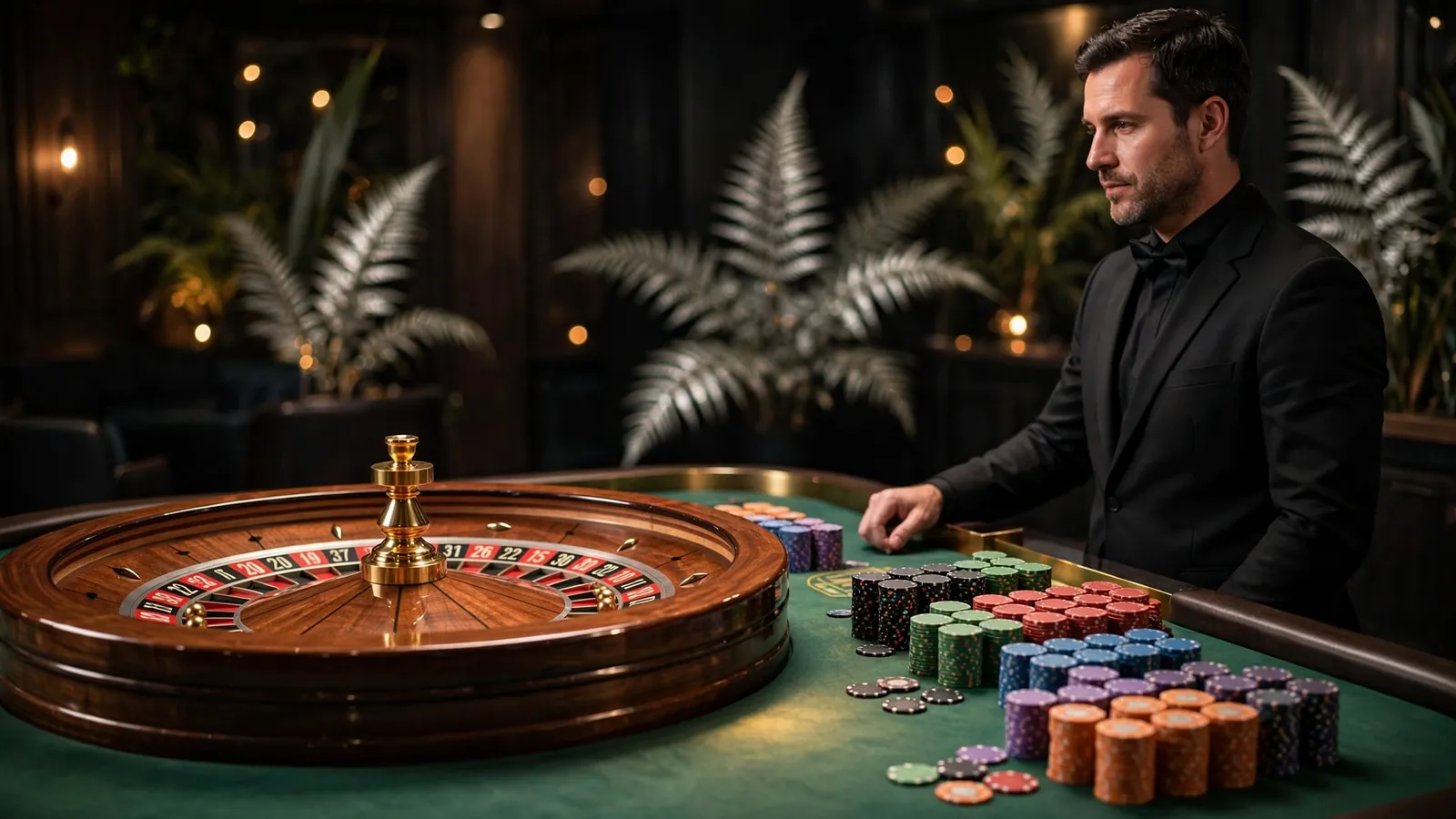
Your line contains the numbers you selected, while the result records the numbers drawn. In New Zealand Keno, players choose between one and ten numbers; the drawn numbers are selected separately. A result does not change your original selection. It tells you how that selection compared with the draw.
For instance, if your line contains several numbers that also appear in the result, those are the matches to count. The order in which numbers are displayed does not change whether they match. Nor does a number become a match because it appeared in a previous result: only the numbers in the relevant draw count for that comparison.
The Multiplier is separate
The optional Multiplier has a different role from your number line. It is assigned separately, so it is not another number you chose and should not be counted as one of your matches. Keep the two parts of the result distinct: first consider the relationship between your selected numbers and the drawn numbers; then read any Multiplier information as a separate feature.

The Multiplier is not an extra drawn number, and it does not multiply the jackpot. It also cannot be added after a ticket has been bought. Treating it as though it were part of your selection can lead to a mistaken reading of what the result shows.
A result can tell you which of your selected numbers appeared in the draw. By itself, a match count does not tell you every detail about a prize or establish that a ticket will be paid. Those are separate matters from interpreting the drawn numbers, and an unofficial copy of a result should not be treated as a payment decision.
When looking at Keno previous results, the same distinction applies: each result belongs to its own draw, and the numbers in it describe that draw only. A pattern in the way numbers are listed does not add meaning to your line. Read the drawn set, identify the numbers shared with your selection, and keep any Multiplier information separate.
New Zealand Keno: Who Runs It and Where Tickets Are Sold
Lotto New Zealand runs Keno in New Zealand. You can buy a ticket at a Lotto NZ retailer or online through MyLotto. These are the official channels for entering the game; a page displaying results is not itself a place to buy a Keno ticket.
To purchase a ticket, you must be physically present in New Zealand and at least 18 years old. The age requirement also applies when claiming a lottery prize. If you are checking New Zealand Keno results today, make sure the results relate to Lotto New Zealand’s game rather than a similarly named product offered elsewhere.
The regulator and licensing arrangements require a separate distinction. The Department of Internal Affairs is New Zealand’s primary gambling regulator. It has a role in overseeing the framework for online casino licences, while the Gambling Commission considers licence applications and decides whether to grant them. The Commission also approves changes to licence conditions.

Those online casino licensing responsibilities do not make the Commission the operator of Keno, nor do they mean that Lotto NZ’s Keno is an online casino product. Lotto New Zealand runs the game; the regulatory bodies have separate public oversight and licensing functions. Keeping those roles apart helps when you see references to a “licensed” gambling service: a statement about online casino licensing should not be taken as a description of how a Lotto Keno ticket is issued.
For a ticket bought in person, the retailer is the sales channel. For an online purchase, MyLotto is the named platform. A third-party site that republishes new Zealand Keno results is not one of those ticket-sale channels simply because it displays the numbers. Likewise, a Keno-style game on an offshore casino website should not be assumed to be the same product as the Lotto New Zealand game.
This distinction matters when you want to know who stands behind a ticket or a result. Lotto New Zealand is responsible for the Keno game, and tickets are available through its retailer network and MyLotto. The Department of Internal Affairs and the Gambling Commission have roles connected to gambling regulation and online casino licensing, not the operation of Lotto Keno.
Draw Timing, Sales Cutoffs and Multi-Draw Tickets
A Keno ticket is not automatically entered into the drawing that is about to take place. The deciding point is the sales cutoff for that draw: a single-play ticket bought before the cutoff goes into the next drawing. If you miss it, the ticket is entered into the following drawing instead.
That distinction matters when you are looking for Keno draw results today. A result appearing soon after you buy a ticket may belong to a draw your ticket did not enter. The draw schedule has four daily rounds, but the schedule alone does not confirm which one applies to a particular purchase. Check the draw assigned to the ticket rather than assuming that buying it on the same day means it was included in the next result.
A single play covers one drawing. If the cutoff has passed, its entry moves to the following drawing under the stated rule; it does not go back into a draw that has already closed. The cutoff is therefore part of the ticket’s entry conditions, not merely an administrative detail.

A multi-draw ticket works differently. It enters the same numbers in consecutive drawings, rather than applying to just one round. That can reduce the need to buy a separate ticket for each intended draw, but it does not change the numbers selected or make any result more predictable. Each drawing remains a separate event.
Before relying on a ticket for a particular round, read its draw information and make sure the purchase was completed before the relevant sales cutoff. If you intended to enter a draw but missed that cutoff, the ticket’s entry will be for the following one. A live result page cannot alter which draw the ticket was assigned to; timing is set when the ticket enters the draw, not when you later view the result.
The practical difference is simple: a single play is tied to one drawing, while a multi-draw ticket carries the same numbers across consecutive drawings. Neither changes the need to know which draw the ticket actually covers.
How to Check a Keno Result Against Your Ticket
Start with the draw recorded on your ticket. Check that the date and draw identifier match the result you are using; a result from another draw cannot confirm whether your ticket has won. If you have more than one play, check each one against the correct draw.
Then compare the numbers on the ticket with the numbers shown for that draw. Work through the ticket carefully rather than relying on a quick glance, especially if several numbers are close together. If the ticket includes an optional Multiplier, treat it as a separate feature: it is not another number in your line.

A result copied onto a news page, social post or other third-party site can help you make an initial comparison, but it is not a payment guarantee. It may be incomplete, attached to the wrong draw or simply reproduced incorrectly. A match on a republished list does not establish that a retailer will pay the prize. Keep the original ticket and use Lotto NZ’s official checking or validation process to confirm its status before making decisions about a prize.
If the result and ticket appear not to agree, do not assume either one is final. Recheck the draw details and the numbers, then ask a Lotto NZ retailer or contact Lotto NZ through its official channels for clarification. Avoid altering or discarding the ticket while the question is unresolved. The ticket is the item that must be checked; a screenshot or copied list is not a substitute for it.
Do not leave a possible prize unchecked. A winning Keno ticket has to be claimed within twelve months of the draw date. Once that period has passed, an unclaimed prize is forfeited and returned to the Prize Reserve Fund. If you are unsure whether a ticket qualifies, seek confirmation promptly rather than waiting for a third-party page to settle the matter.
Checking is a comparison, not a promise of payment: confirm the correct draw, preserve the ticket, and rely on the operator’s validation for the final decision.
Keno Results in 2026: What They Can and Can’t Tell You
A Keno result for today is a record of a completed draw, not a clue to what will come next. Each draw is independent, so a number appearing often, rarely or not recently does not become more or less likely in a future result. Past results can help you confirm what happened; they cannot make the next outcome predictable.

That distinction matters when looking back over results from 2026. A run of similar numbers may look like a pattern, but it does not change the odds of a later draw. Treating a historical record as a forecast gives it a job it cannot do.
Keno is run by Lotto New Zealand, while the Department of Internal Affairs is the country’s primary gambling regulator. You must be at least 18 to buy or claim a lottery product in New Zealand.
Online casino regulation is a separate matter from Lotto NZ Keno. The Online Casino Gambling Act 2026 took effect on 1 May 2026 and set a transitional period ending on 1 December 2026. During that period, providers already operating before the Act began may continue under its transition rules. The full licensing system is expected to be operating in 2027. The Gambling Commission considers and decides casino licence applications; the Department of Internal Affairs remains the main gambling regulator.
Those changes concern online casino services, not the status of a Lotto NZ Keno draw result. An offshore casino’s Keno-style game is a different product and should not be treated as the official New Zealand game. Nor does a casino licensing change turn old draw results into evidence about future numbers. A result tells you what was drawn on that occasion, and no more.

Online Keno Checks, Number Generators and the Limits of Tools
You can check Keno results online, but the page you use matters. New Zealand Keno is run by Lotto New Zealand, with tickets sold through Lotto NZ retailers and MyLotto. A result copied onto another website may be useful for reference, but it is not a payment guarantee. For a decision about a ticket or prize, rely on the official service rather than assuming a reproduced list is authoritative.
Charts and apps can organise past results, show number frequencies or make them easier to view. None can tell you what will be drawn next. Each Keno draw is independent: a number appearing often, rarely or not recently does not become more or less likely in a future draw. “Hot”, “cold” and “due” are labels applied to past outcomes, not signals about the next one.
A number generator has the same limit. Quick Pick selects numbers randomly; it does not forecast the draw or improve the chance of a match. Choosing numbers yourself offers no predictive advantage either. The draw is still a chance event, whether you use an app, a chart, a generator or a Favourite.
Be careful not to confuse New Zealand Keno with Keno-style games offered by offshore casinos. They are different products, and an offshore game’s rules or result display should not be taken as a description of Lotto NZ Keno. Before using a site to check a result, make sure it is showing the New Zealand game and the relevant draw, not a similarly named product.
Tools can help you view information; they cannot make random results predictable. Treat Keno as entertainment, set a firm spending limit before playing, and do not use systems or number patterns as a reason to spend more.

How does Keno work in New Zealand?
You choose between one and ten numbers, or use Quick Pick, and compare your line with the 20 numbers drawn from a pool of 80. New Zealand Keno draws take place at 10:00 am, 1:00 pm, 3:00 pm and 6:00 pm Pacific/Auckland time.
How long do I have to claim?
You have 12 months from the draw date to claim a Keno prize. After that, the prize is forfeited and returned to the Prize Reserve Fund.
Are “hot” and “due” numbers real?
No. Keno draws are independent, so numbers that appeared often—or have not appeared recently—are no more likely to be drawn next.
Is there a strategy that improves my chances?
No number-selection strategy can predict the next draw. Previous results do not affect future draws, and choosing your own numbers rather than using Quick Pick does not influence the outcome.
Created by the ”Casino Expert NZ” editorial team.