French Roulette in New Zealand: Rules and Play
 Available in US
A practical guide to French roulette rules, free practice, live tables, call bets, odds and how the single zero shapes play.
Table of Contents
- Try French Roulette for Free: What to Check Before You Play
- French Roulette Online in New Zealand: Rules and Restrictions
- Live French Roulette: Reading the Table and the Spin
- How to Play French Roulette and Place Its Bets
- French Roulette Odds, Probability and the Limits of Strategy
- French vs American Roulette: The Zeroes Matter
- French Roulette Payouts and Playing for Fun
- French Roulette Call Bets: Wheel Neighbours, Not Table Positions
- French Roulette Casinos, Called Bets and the Blackjack Comparison
- French Roulette Gold Live: What the Available Facts Can—and Cannot—Tell You
Try French Roulette for Free: What to Check Before You Play
A free-play version of French Roulette can let you get used to the table before you risk money. You can practise selecting betting areas, see how a round is presented and learn where the single zero sits among the numbered pockets. The aim is familiarity, not a prediction of what will happen in a later game.
French Roulette has the same single-zero wheel arrangement as European Roulette. Its distinguishing feature is that certain rules, including La Partage and En Prison, can change what happens to eligible bets when zero appears. A free table is useful for recognising the French version and its layout, but the rules shown on screen still matter: not every table necessarily presents the same options in the same way.
Start with the wheel and table
Look for a wheel with one zero pocket, then compare it with the betting layout displayed beside it. The wheel and the table are different representations: numbers are arranged around the wheel, while the betting area groups choices for placing chips. In practice mode, take a moment to locate the zero in both views. That simple check helps you confirm that you have opened the single-zero variant rather than another roulette game.
If you’re looking for French roulette options in New Zealand in 2026, this list gives you a starting point for reviewing operators. Check each site’s current game availability and terms before you play.
Payout speed: 1-3 business days Wintino lists a payout speed of 1–3 business days, a useful detail for you to consider when reviewing it.
License: Curaçao Gaming Authority, licence no. OGL/2024/165/0185 BitStarz lists a Curaçao Gaming Authority licence, no. OGL/2024/165/0185.
License: 07017519840 · Payout speed: 1-3 business days Zotabet lists licence number 07017519840 and a payout speed of 1–3 business days.
License: Tobique Gaming Commission, licence no. 0000091 7Bit Casino lists a Tobique Gaming Commission licence, no. 0000091.
License: Tobique Gaming Commission, licence no. 0000002 Ricky Casino lists a Tobique Gaming Commission licence, no. 0000002.
License: Malta Gaming Authority, licence no. MGA/B2C/370/2017 Play Grand lists a Malta Gaming Authority licence, no. MGA/B2C/370/2017.
License: Tobique Gaming Commission, licence no. 0000064 Neospin lists a Tobique Gaming Commission licence, no. 0000064.
License: Malta Gaming Authority, licence no. MGA/B2C/394/2017 N1 Casino lists a Malta Gaming Authority licence, no. MGA/B2C/394/2017.
Payout speed: 1-3 business days Lamabet lists a payout speed of 1–3 business days, a detail you can factor into your review.
The word roulette comes from French and means “little wheel”. That origin does not tell you which rules a particular game uses; the title and the information shown at the table are more useful. If a game is labelled French Roulette, check that its displayed rules identify the single-zero layout and explain any French rules available.
A free French Roulette game can also help you learn the interface without placing a stake. Select a chip value, choose a betting area and see whether the game registers your selection as intended. You can try removing a chip or changing a selection, if those controls are provided. These actions are practice with the screen, not a way to influence the wheel.
Check what free play actually lets you do
Free-play versions vary in how closely they reproduce a table. Before starting, check whether the game provides a practice balance, whether the balance can be reset and whether the interface clearly identifies play as free. If the game asks you to move from practice into a different mode, you can simply stay in the free version; there is no need to treat a prompt as part of learning the rules.
Use a few rounds to become comfortable with the sequence: make a selection, review it, then watch the round resolve. You do not need to place a complicated set of bets. A straightforward choice makes it easier to notice where the game displays your selection and how it shows the result. If a control is unclear, pause and inspect the table rather than clicking repeatedly.
Free play is also a chance to read the rules before relying on your memory. Look for an information panel or a rules menu that explains the table’s version and the available special rules. French Roulette is associated with La Partage and En Prison, but a name alone is not a complete explanation of how a particular table applies a rule. The game’s own displayed instructions should tell you which bets qualify and what happens when zero is drawn. Detailed bet mechanics are worth learning separately before you play for money.
Treat practice as interface training
A run of free rounds may feel like evidence that a certain choice is “due” or that a pattern is developing. It is not. Roulette spins are independent: earlier results do not alter the chances on the next spin. Practice can help you understand how the game works, but it cannot make future outcomes predictable.
For that reason, avoid judging a practice session by whether you finish with a larger or smaller virtual balance. A free balance is a way to explore controls and observe the presentation; it is not a forecast of real results. The most useful questions are practical: Can you identify the single zero? Can you tell which area you selected? Can you find the rules before a round begins? Do you understand the result display?
Practice Session Checks
- Identify the single zero on the wheel
- Identify the single zero on the betting layout
- Verify that your selections are registered as intended
- Locate the rules menu or information panel
- Confirm the available special rules for the table
If the screen is crowded, try viewing it at a different size or orientation, where available, and make sure labels are readable. A table that is difficult to inspect is a poor place to learn, even when no money is involved. Take time to distinguish the wheel graphic from the betting layout, and do not assume that every roulette title uses French rules simply because it looks similar.
Free online French Roulette is most useful when you approach it as a low-pressure tutorial. It can familiarise you with the single-zero table and let you practise basic selections without staking money. It cannot teach you to control random outcomes, and it does not replace reading the rules of the specific table you intend to use.
French Roulette Online in New Zealand: Rules and Restrictions
French Roulette uses a single-zero wheel, but the game’s layout does not determine whether an online casino is authorised to operate in New Zealand. The legal position changed in 2026, and the transition to a domestic licensing system is still under way.
The Online Casino Gambling Act 2026 took effect on 1 May 2026, establishing New Zealand’s first domestic licensing framework for online casino gambling. The Gambling Act 2003 does not permit online casinos to be based in New Zealand. The new framework instead provides for licensing online casino services, with the full regime not expected to be operational until 2027.
The Department of Internal Affairs is the primary gambling regulator and oversees the online casino licensing framework. The Gambling Commission handles licensing decisions: it considers and determines casino licence applications, issues licences and approves changes to licence conditions. These are distinct responsibilities, not interchangeable descriptions of a single approval process.

A transitional period runs from 1 May to 1 December 2026. Providers that were already offering online casino services to people in New Zealand before the new Act began may continue during that period, subject to the Act’s transitional provisions. Providers that have not applied for a licence must stop operating in New Zealand by 1 December 2026. Unlicensed operation is expected to become an offence around mid-2027, and operators without a licence may face enforcement action and fines of up to NZ$5 million. Licensed operators must also use stricter age and identity checks.
Before the Act, online casino services supplied from outside New Zealand were not licensed or supervised by a New Zealand regulator. A customer who wagered with an offshore website during that period had no domestic government recourse. Offshore casino sites may remain accessible to New Zealand residents, and players are not liable to a fine or criminal prosecution simply for playing at one. Accessibility, however, is not the same as domestic oversight or a route to resolve a dispute through a New Zealand regulator.
Advertising is also restricted during the transition: online casino gambling services must not be promoted to people in New Zealand. For you, that makes it important to distinguish a site’s claims about its games from the legal status of its operation. A French Roulette label alone says nothing about whether the operator has a New Zealand licence or what protections apply.
Read bonus terms before accepting
A casino bonus can have conditions beyond the headline offer. Eligibility rules may determine who can claim it; wagering requirements specify how much play is required before bonus-related funds or winnings can be withdrawn. Expiry rules set the time available, while game-contribution rules determine whether a particular game counts towards the requirement and to what extent. Withdrawal restrictions may also apply.
Bonus Restrictions
Attention: A withdrawal request voids all active or pending bonuses, and specific wagering requirements must be met before funds can be withdrawn.
The terms set out here require bonus money to be wagered 50X within 30 days. Winnings from free spins must be wagered 50X within 7 days. A withdrawal request voids all active or pending bonuses. These conditions can affect whether a bonus remains available and whether related winnings can be withdrawn, so read the full terms before opting in rather than treating the advertised offer as cash.
The same care applies when a site describes itself as offering French Roulette online. Check who operates the service, what regulatory status it claims during the transition, and what its bonus and withdrawal terms say. A named game and a promotional offer are not substitutes for understanding the rules that govern the service—or the limits of New Zealand oversight.
Live French Roulette: Reading the Table and the Spin
“Live” describes how a roulette game is presented, not a different set of wheel numbers. French Roulette still uses the single-zero layout shared with European Roulette. Its distinctive rules, including La Partage and En Prison, are separate from whether a game is shown live, runs automatically or is displayed on a screen.
That distinction matters when you look for French Roulette online. A live presentation may show a dealer and a physical wheel, while an automated presentation may display a digitally generated spin. Those formats can look different, but the word “live” alone does not establish the wheel layout, the rules in force or how a particular game handles zero. Check the game’s own rules rather than inferring them from its title or appearance.
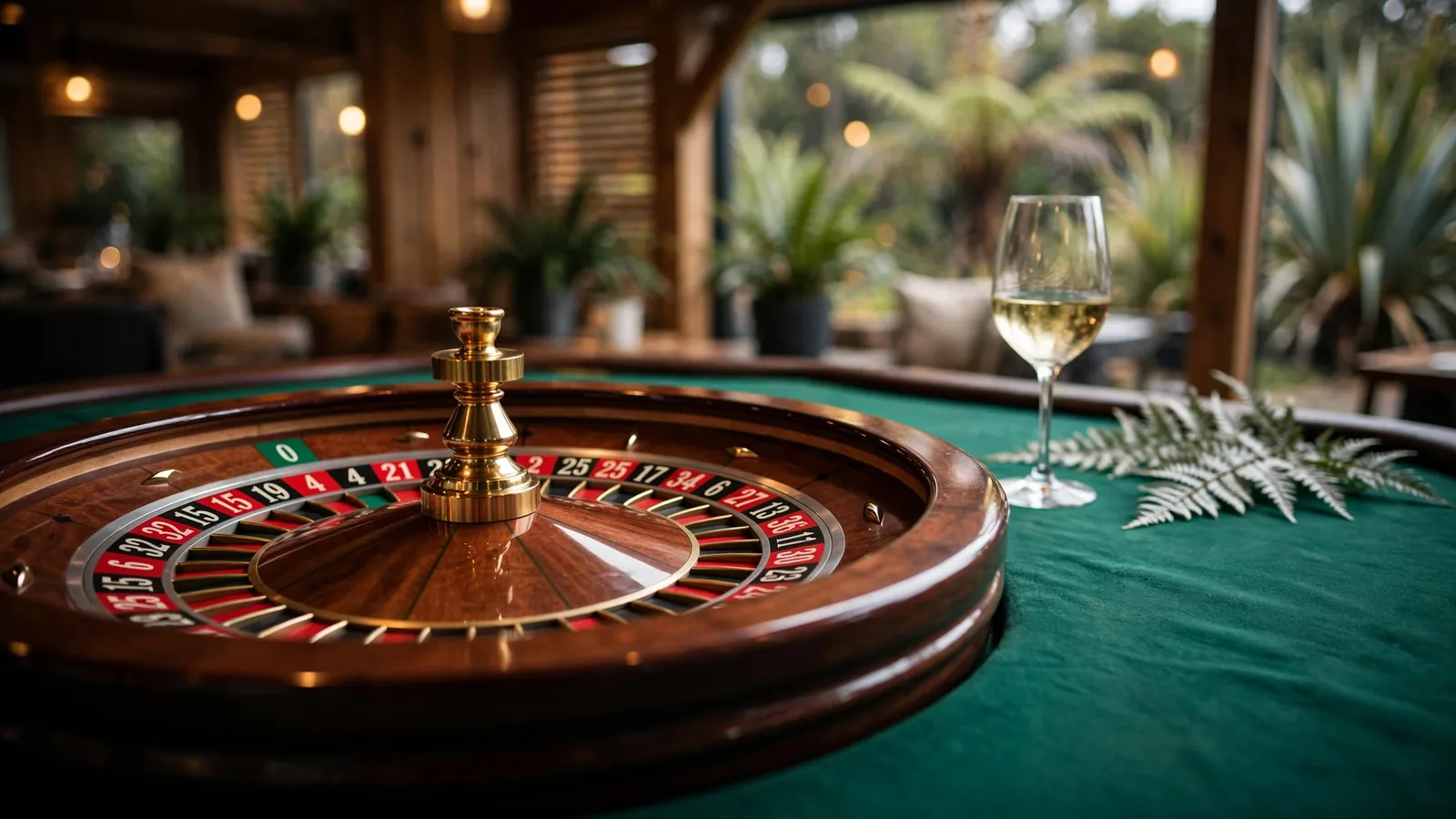
The wheel and the betting layout are also different things. The wheel is the circular arrangement of numbered pockets; the layout is the marked area where bets are placed. In French Roulette, the wheel has one zero and the numbered pockets from one to thirty-six. The table layout presents those numbers in a grid, alongside spaces for broader categories of bets. A screen may show the wheel prominently, the table prominently, or both. The display is not itself evidence of a different wheel.

When you inspect a French roulette layout, look for a single zero and French-language labels or rules that identify the variant. A single zero is consistent with French Roulette, but it does not by itself prove that the special French rules apply. The game information should make clear whether La Partage or En Prison is in effect. Their presence concerns the treatment of eligible bets when zero lands; the detailed betting process is a separate matter.
The same care applies to automated games. “Auto” refers to how a spin is presented or conducted, not necessarily to a change in the underlying roulette variant. Do not assume that an automated game uses a French wheel simply because its name includes “French.” Nor should you assume that a live table follows French rules merely because the displayed layout resembles a French table. Confirm the rules and wheel details before playing.
A screen can make it easy to focus on the latest result, but a spin does not alter the next one. Roulette spins are independent: previous numbers do not change the probability of future outcomes. A run of one colour or a recent zero is part of the history shown on screen, not a signal that the wheel must correct itself. The live presentation may make each result feel immediate; it does not make past results predictive.
If you are comparing a live French game with a French roulette demo, separate presentation from practice. A demo can help you become familiar with what appears on the screen, while a live presentation may be arranged differently. Neither label guarantees the same interface across games. Focus first on the information that affects the variant: the single-zero wheel and the stated French rules. Then consider whether the screen makes the numbers and rules clear enough for you to follow.
A careful check is more useful than a dramatic wheel animation. The central question is not whether the game looks French, but whether its displayed layout and stated rules match French Roulette. Once you have established that, the presentation—live or automated—is a matter of format rather than a new roulette system.
How to Play French Roulette and Place Its Bets
French Roulette uses a single-zero wheel, like European Roulette, but its special rules can change what happens to certain bets when zero appears. To play, you select a stake, place it on the betting layout before the spin, and wait for the result. The position of your chips shows which number or group of numbers you are backing.
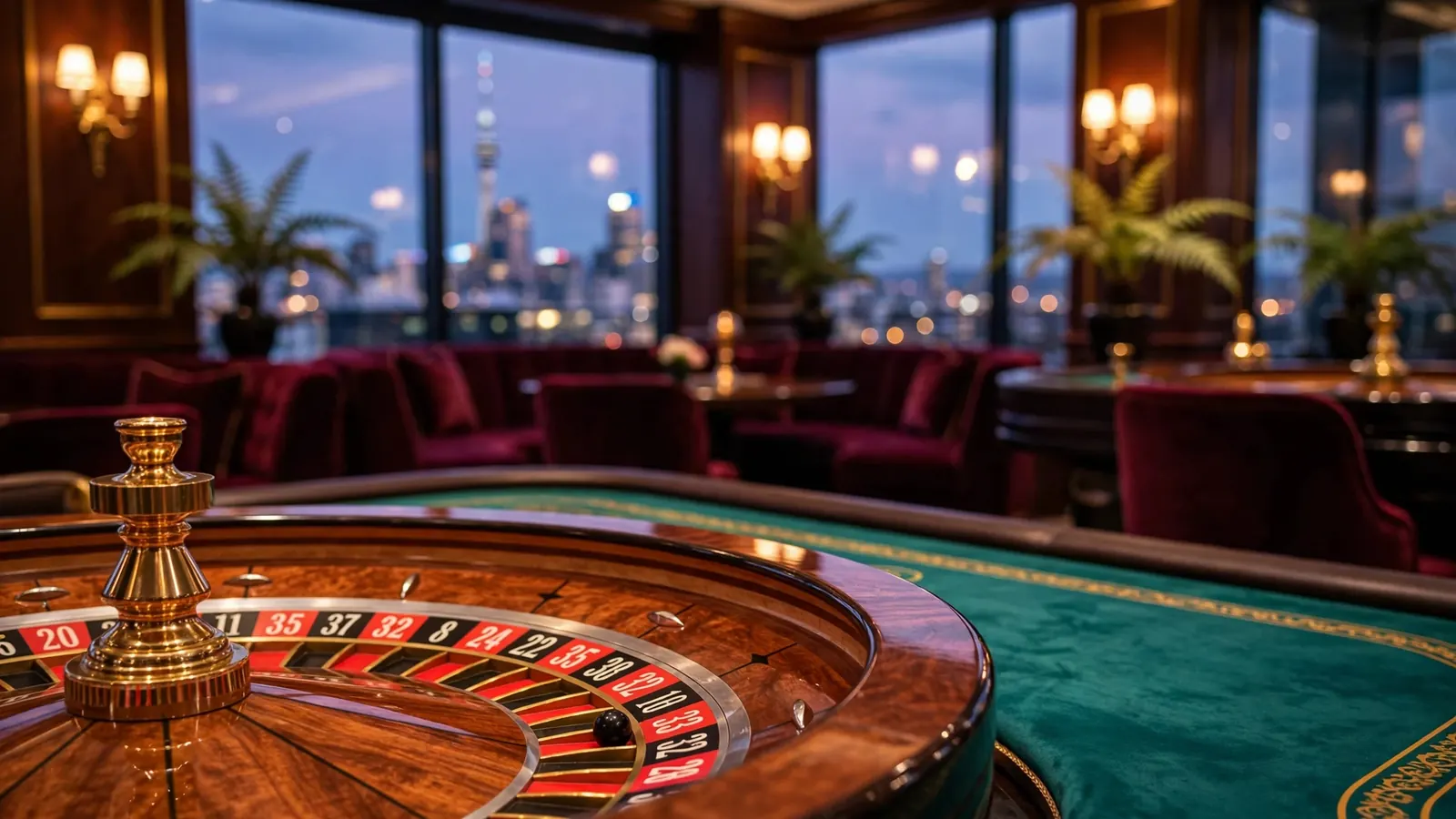
The layout separates bets into two broad types. An inside bet covers a specific number or a small group of numbers on the numbered grid. An outside bet covers a broader category, such as red or black, odd or even, or a range of numbers. The table’s labels indicate which outcomes each area represents. If you are learning the layout, start by identifying the area your bet covers before placing chips; a chip placed on the wrong line can represent a different selection.
Once the betting period closes, no further bets can be added for that spin. If the winning number is covered by your bet, the table settles it according to the bet type. If it is not covered, the stake is lost. The precise return depends on the selection, so check the table’s displayed rules rather than assuming every bet is paid in the same way.
What happens when zero lands
La Partage and En Prison apply only to even-money outside bets, and only when the ball lands on zero. An even-money bet is one that, when it wins, pays winnings equal to the stake. Red or black and odd or even are familiar examples of this type of selection. These special rules do not extend to inside bets or to every outside bet.
With La Partage, half of the stake is returned after zero, while the other half is collected. The bet is therefore not treated like an ordinary loss in full. This rule applies to the eligible even-money outside bet; it does not return half of a stake placed on a number.
En Prison handles the same eligible bet differently. Rather than settling it immediately as a loss, the table holds it for the next spin. If that next spin wins for the original selection, the stake is returned, but no additional winnings are paid. If the selection loses, the stake is collected. The bet is carried forward, not converted into a fresh wager with a new potential win.
Half of the stake is returned immediately after zero appears for eligible even-money outside bets.
The stake is held for the next spin; if the original selection wins, the stake is returned without additional winnings.
Tables may offer one of these rules, and the wording displayed at the table matters. Before placing an even-money bet, check whether La Partage or En Prison applies and how the table signals that the stake has been returned or held. Do not assume that every game labelled French Roulette handles zero in the same way if its rules say otherwise. The useful distinction is simple: La Partage returns part of the stake at once; En Prison leaves the original stake pending for another result.
A practical way to place a bet
First choose the selection you intend to make. Find its matching area on the layout, then place the chip within that area so the intended bet is clear. If you are unsure whether a chip sits on a number, a boundary or a broader category, ask for clarification before betting closes. After the spin, check both the winning number and any applicable table rule before deciding how the wager was settled.
The French terms on a table can be unfamiliar, but you can use the printed labels and ask what a term means rather than guessing. Learning the layout is more useful than trying to memorise a system. No betting pattern can make a win certain: roulette results are random, and every real-money bet can lose. Set a limit you can afford to lose, and stop when you reach it.
French Roulette Odds, Probability and the Limits of Strategy
The main odds advantage in French Roulette is conditional, not universal. When La Partage or En Prison applies, the house edge on eligible even-money bets falls to 1.35%. These are bets such as red or black, odd or even, and high or low. The special treatment matters only when zero appears; it does not improve every wager on the table.

La Partage returns half the stake after zero, while En Prison holds the stake for another spin. The precise treatment differs, but both reduce the loss attached to zero for an eligible bet. On a French Roulette table without either rule, you should not assume that the same lower edge applies. Check the table rules before placing a wager: the name of the game alone does not establish which zero rule is in force.
The house edge is a long-run measure of the casino’s mathematical advantage, not a forecast of what will happen in a short session. A 1.35% edge does not mean that a particular bet will lose that fraction of its stake, nor does it set a limit on a possible loss. A spin can produce a win or a loss, and the result is uncertain until the wheel stops.
French Roulette probability is not altered by what happened on previous spins. Each spin is independent, so a run of red does not make black more likely next time, and a long absence of zero does not make zero “due.” The wheel has no memory. Patterns in recent results may look persuasive, but they do not change the chance of the next outcome.
That is also why a French Roulette strategy cannot reliably predict results or remove the house edge. Changing bet size, switching colours after a loss, or following a fixed sequence does not alter the wheel’s probabilities. A system may change how quickly your balance rises and falls, and how much you put at risk, but it cannot turn an unfavourable mathematical expectation into a guaranteed gain.
Financial Risk
Every real-money bet can lose regardless of the strategy used. Never risk more than you can afford to lose.
The reduced edge is specific to eligible even-money bets under the stated French rules. It should not be taken as a general promise that every wager is less costly, or that a session will be profitable. Even when the rule is available, every real-money bet can lose. Set a limit before you play and do not risk more than you can afford to lose; no betting plan can make an uncertain outcome safe.
French vs American Roulette: The Zeroes Matter
The main difference between French and American Roulette is visible on the wheel: French Roulette uses the single-zero layout, while American Roulette adds a double zero. That extra pocket changes the chance of a winning number appearing and raises the house edge.
French Roulette has the same wheel layout as European Roulette: 37 pockets, with one zero. Its house edge on eligible even-money bets falls to 1.35% when La Partage or En Prison applies. American Roulette has 38 pockets, with both a single zero and a double zero, and a house edge of 5.26%. The French advantage is therefore tied to its single-zero wheel and, for those bets, its special treatment of zero. It does not mean every French bet receives the same lower edge.
The basic bet categories may look familiar across the two variants, but the extra American pocket matters whenever the zeroes affect a wager. In American Roulette, a bet that would otherwise win can lose when either zero appears, unless the table applies a specific exception. The layout and rules shown at the table matter more than the game’s label alone.
A half-stake return is not a standard feature of American Roulette. A specialist review has described some tables in Atlantic City returning half of an even-money stake when either zero lands, but that should be treated as a table-specific rule, not an assumed part of the American variant. Check the posted rules before placing a bet; do not transfer French rules to an American table.
For a straightforward comparison, look for the number of pockets and the stated zero rules. One zero means fewer pockets that can defeat an outside even-money bet than a wheel with two zeroes. French Roulette’s lower edge on eligible bets depends on La Partage or En Prison being in effect; without those rules, the single-zero layout has the European Roulette house edge of 2.70%.
Neither layout makes outcomes predictable. Each spin is random, previous results do not change the next spin’s probabilities, and every real-money bet can lose. If you choose to play, do not risk more than you can afford to lose.
French Roulette Payouts and Playing for Fun
A payout percentage describes the share of stakes a game is expected to return over a very large number of plays. It is a long-run measure, not a forecast for your session: the result of any spin is random, and a high percentage cannot promise that you will win or get your stake back.
A specialist review reports a payout percentage of 97.30% for European Roulette and 94.70% for American Roulette. Those figures describe the variants’ general return profiles; they do not mean that a particular player will receive those proportions. A short run of results can differ sharply from a long-run average, and every bet can lose.
French Roulette has the same single-zero wheel as European Roulette, with rules that can improve the return on eligible even-money bets. These are outside bets such as red or black, where a win pays an amount equal to the stake. If zero appears, La Partage returns half the stake; En Prison instead holds the bet for the next spin. When either rule applies, the house edge on those eligible bets falls to 1.35%. The benefit is specific to those bets and does not turn every wager on the table into a lower-edge bet.
That distinction matters when you compare a French Roulette payout with a headline percentage for another variant. The special rules affect how zero is handled on certain bets; they do not remove the uncertainty of the spin or guarantee a profitable session. Check that the table actually offers La Partage or En Prison before relying on the improved treatment of zero.
If you want to play French Roulette for fun, set a spending limit before you begin and treat any stake as money you may lose. A payout percentage is not a reason to increase your stake, chase losses or expect a particular result. The wheel does not keep track of what has happened before, and a run of wins does not make another win due.
Playing casually can mean focusing on the layout and enjoying the pace rather than trying to turn the session into an income plan. French rules can make some bets more favourable than their counterparts elsewhere, but “more favourable” is not the same as safe. Keep the distinction clear, and do not risk more than you can afford to lose.
French Roulette Call Bets: Wheel Neighbours, Not Table Positions
French Roulette uses a single-zero wheel, but a call bet is not defined by where its numbers sit on the betting layout. Called bets group numbers by their positions around the wheel. That distinction matters: the table is arranged to make betting on number combinations possible, while the wheel has its own sequence.
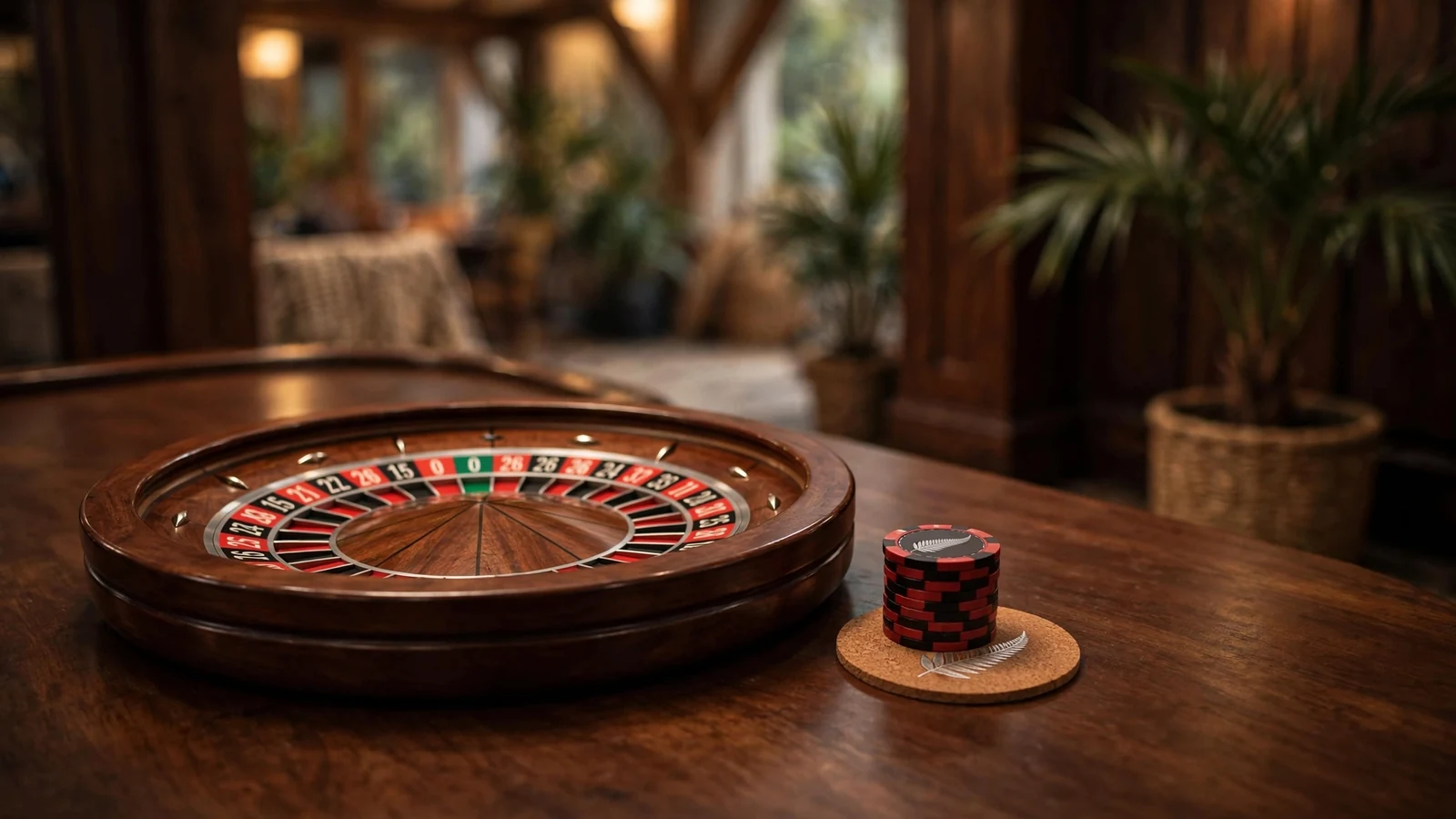
A player making a called bet is asking for a particular wheel-based group of numbers, rather than selecting numbers simply because they appear beside one another on the layout. The group’s relationship is to the wheel’s order. This is why a table position alone does not tell you what a call bet covers.
At a dealer-operated table, the practical point is to be clear about the group you intend to back. If you are unfamiliar with the table’s terminology or how a call is entered, ask the dealer to explain before placing the bet. Do not assume that a familiar-looking area on the layout represents the same group as a wheel-based call. The dealer can clarify what the requested bet includes and how it is recorded at that table.
It is also worth separating the name of a bet from the way the wheel behaves. A call bet groups selected numbers; it does not predict where the ball will land. Roulette spins are independent, so earlier results do not change the probability of outcomes on a later spin. A run of numbers from one area of the wheel is not evidence that the same area is due again.
The term “French” describes a roulette variant, not a guarantee that every table handles calls in an identical way. The wheel-based principle is the useful point to retain: called bets follow number positions around the wheel, not positions on the betting cloth. When in doubt, confirm the coverage before the spin rather than relying on a guess about the layout.
French Roulette Casinos, Called Bets and the Blackjack Comparison
At a French Roulette table, a called bet is a request to cover a particular group of numbers defined by their positions around the wheel. That is different from choosing a group based on where numbers sit on the betting layout. The distinction matters when you are listening to a dealer or deciding whether a call matches the numbers you intended to cover: the wheel, not the table grid, determines the group.
Calls are a way of specifying bets, not a separate game or a promise of better results. A casino may offer French Roulette with called bets, but the presence of those options does not by itself tell you what rules apply to every wager. Check the table’s stated rules before placing a bet, particularly if you are relying on the French rules for even-money wagers.
The relevant advantage of French Roulette is narrow. La Partage and En Prison can improve the odds on eligible even-money bets when zero appears. That does not mean every bet at a French table receives the same treatment, or that a called bet gains a special advantage simply because it is called. The benefit belongs to eligible wagers under those rules.
This is also why a comparison with blackjack needs care. French Roulette’s rules can make its even-money bets more favourable than roulette bets without that treatment. But that fact does not establish whether French Roulette or blackjack has the smaller house edge. Blackjack outcomes depend on the rules and conditions of the particular game, and the comparison cannot be settled by looking only at the French Roulette rules.
If you are choosing between the games, compare the specific rules available rather than relying on a broad claim that one always has the lower edge. A table label or a called-bet menu does not answer that question on its own.
Roulette results are random, and previous spins do not make a future result more likely. Every real-money bet can lose, including one placed through a called bet. Treat the call as a way to describe a selection, not as a betting system, and do not risk more than you can afford to lose.
French Roulette Gold Live: What the Available Facts Can—and Cannot—Tell You
The name French Roulette Gold Live may suggest a particular online game, but the words alone do not establish how it works. “French roulette” identifies a familiar wheel format and rules; “Gold Live” is part of a product name, not proof of a specific layout, dealer setup or feature set.
The general French format uses the same single-zero wheel as European Roulette. It may also apply La Partage or En Prison to eligible even-money bets when zero appears. Under La Partage, half the stake is returned; under En Prison, the bet carries over to the next spin. These are rules of French Roulette, not evidence that a named Gold Live game uses them.
To confirm the rules of a specific game, look for its own table information or game rules. Check whether the wheel has one zero, whether La Partage or En Prison is stated, and which bets qualify. A French label by itself is not enough to establish that either special rule applies. Nor does “Live” alone confirm how the game is presented or what functions it offers.
This distinction matters because roulette products can use familiar names while differing in their stated rules. If the game information does not spell out the wheel and zero rules, treat those details as unconfirmed rather than assuming they match a French table.
Whatever the presentation, each roulette spin is independent: earlier results do not change the chances on the next one. The name cannot turn a past sequence into a prediction, either.
Written by the editors at Casino Expert NZ.