Free Blackjack in New Zealand: Rules and Play
 Available in US
Learn how table rules affect blackjack payouts and explore free online play, live-dealer games, offers, and practice tools.

Table of Contents
- Blackjack Rules and Payouts: What Changes from Table to Table
- What Free Online Play Lets You Try
- Live-Dealer Blackjack for a More Table-Like Game
- Free-Bet and No-Deposit Offers: Read the Conditions
- Download-Free Blackjack and Unblocked Access
- Use a Blackjack Simulator to Practise Decisions
- New Zealand’s Online Casino Licensing Transition in 2026
Blackjack Rules and Payouts: What Changes from Table to Table
Blackjack is played against the dealer. Your aim is to finish with a hand closer to 21 than the dealer’s without going over 21. A hand that exceeds 21 is bust, so taking another card can improve a low total or spoil a hand that is already strong.
Number cards count at face value, while jacks, queens and kings each count as 10. An ace can count as either 1 or 11, depending on which value gives the hand the more useful total without busting. A hand containing an ace counted as 11 is often called a soft hand: the ace can be treated as 1 if a later card would otherwise take the total past 21. Without an ace counted as 11, a hand is hard.
A natural blackjack is an ace and a card worth 10 as the opening hand. It is distinct from reaching 21 with additional cards, although the exact treatment of hands depends on the table’s rules. A specialist review describes a 3:2 payout for a natural blackjack and notes that some tables instead offer 6:5. Those figures describe different terms, not a universal promise: check the payout shown for the particular game before playing. The difference matters because the payout determines what a winning natural returns relative to the original wager.
If you’re looking for free blackjack in New Zealand in 2026, use this list as a starting point and check each site’s current game availability and terms before you play.
Payout speed: 1-3 business days The stated payout speed is 1–3 business days, a practical detail to consider as you review the site.
License: Curaçao Gaming Authority, licence no. OGL/2024/165/0185 The listed licensing detail is Curaçao Gaming Authority licence no. OGL/2024/165/0185.
License: 07017519840 · Payout speed: 1-3 business days The supplied details list licence no. 07017519840 and a payout speed of 1–3 business days.
License: Tobique Gaming Commission, licence no. 0000091 The listed licensing detail is Tobique Gaming Commission licence no. 0000091.
License: Tobique Gaming Commission, licence no. 0000002 The supplied licensing detail is Tobique Gaming Commission licence no. 0000002.
License: Malta Gaming Authority, licence no. MGA/B2C/370/2017 The listed licensing detail is Malta Gaming Authority licence no. MGA/B2C/370/2017.
License: Tobique Gaming Commission, licence no. 0000064 The supplied licensing detail is Tobique Gaming Commission licence no. 0000064.
License: Malta Gaming Authority, licence no. MGA/B2C/394/2017 The listed licensing detail is Malta Gaming Authority licence no. MGA/B2C/394/2017.
Payout speed: 1-3 business days The stated payout speed is 1–3 business days, which you can take into account when reviewing the site.
The choices available to you
After receiving cards, you can choose among several actions, subject to the rules of the game:
- Hit: take another card.
- Stand: keep your current total and take no more cards.
- Double down: increase the wager and take a further card under the table’s conditions.
- Split: separate a pair into two hands when the rules allow it.
- Surrender: give up the hand under a rule that permits it.
The available choices are not identical at every table. For instance, the conditions for doubling or splitting may be restricted, and surrender may not be offered. The action names alone therefore do not tell you the full rules; the game’s information panel should spell out what is permitted and when.
The dealer also follows rules rather than making the same choices as a player. One rule to look for concerns soft 17, a dealer hand totalling 17 with an ace counted as 11. A table may require the dealer to hit that hand or to stand. This changes how the dealer plays, which can affect the decisions that make sense for you. A rule that sounds like a small procedural detail can change the balance of the game.
Why table rules matter
Tables can differ in deck count, soft-17 treatment, surrender rules and payouts. A specialist review notes that these settings vary between games; they should be read as features of an individual table, not as fixed rules for every blackjack game. Variants may also combine rules differently. Since those differences can affect strategy and the house edge—the casino’s mathematical advantage over time—a decision that suits one version may not suit another.
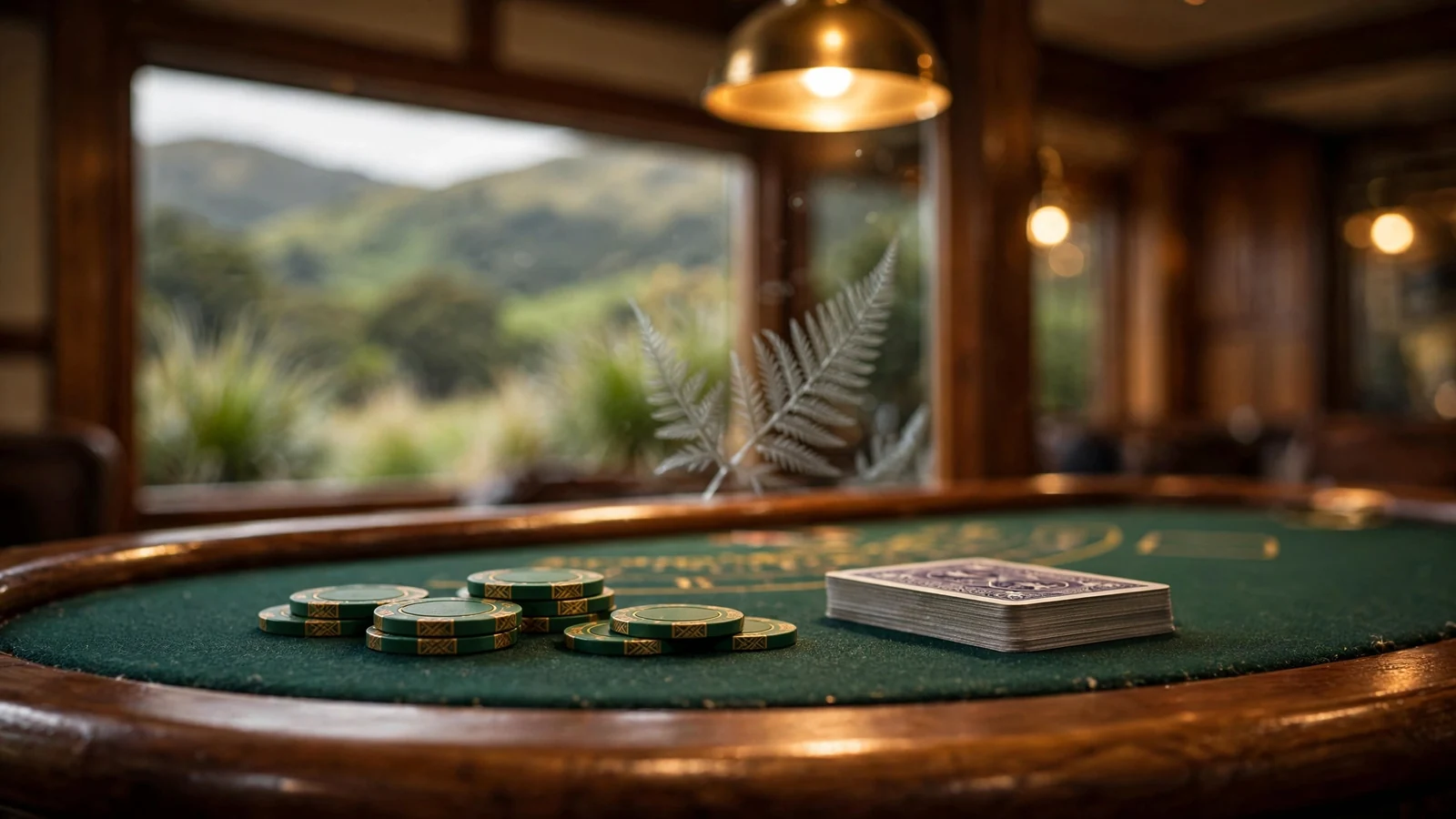
Deck count is worth checking even if you do not intend to analyse the cards. It is one of the rule settings that can distinguish one game from another. The same applies to whether the dealer hits or stands on soft 17 and to the conditions attached to player actions. If a table’s rules are not clear, do not assume that a familiar title means familiar terms.
For a straightforward comparison, read the game rules before you begin and note the natural-blackjack payout, the soft-17 rule, the permitted actions and any surrender provision. A displayed payout of 6:5 is not interchangeable with 3:2, and a different dealer rule may alter the choices available in a hand. Knowing those terms will not guarantee a result; it does help you understand which version you are playing.
There is no single set of rules that defines every blackjack table. The aim and card values give the game its basic shape, but action restrictions, dealer procedure, decks and payouts determine the details. Treat each table as its own version rather than carrying assumptions over from another game.
Table Rules
Deck count, soft-17 treatment, surrender rules, and payouts can vary between games and affect the house edge.
What Free Online Play Lets You Try
Free online blackjack gives you a way to see how a software-based table handles a hand without making the game depend on a live dealer. In RNG blackjack, software shuffles the cards. That difference affects the pace: hands can move faster than at a live-dealer table, where cards are dealt in a streamed setting. You can follow the sequence of play and get a feel for the rhythm of the game without waiting for a physical deal to unfold.
“RNG” refers to a random number generator: software used to produce game outcomes. In blackjack, the software shuffle takes the place of a person physically shuffling and dealing cards. The game remains blackjack, but the dealing process is handled digitally. A free game can therefore be useful for getting familiar with the format, rather than for reproducing every aspect of a casino table.
The faster pace is noticeable over a session. In a live-dealer game, the action is tied to the dealer’s physical handling of cards and the streamed table. With software dealing, that part of the sequence does not have to play out on camera, so you may move from one hand to the next more quickly. The difference is about how the game is delivered; it does not mean that every online game has the same interface or runs at an identical speed.
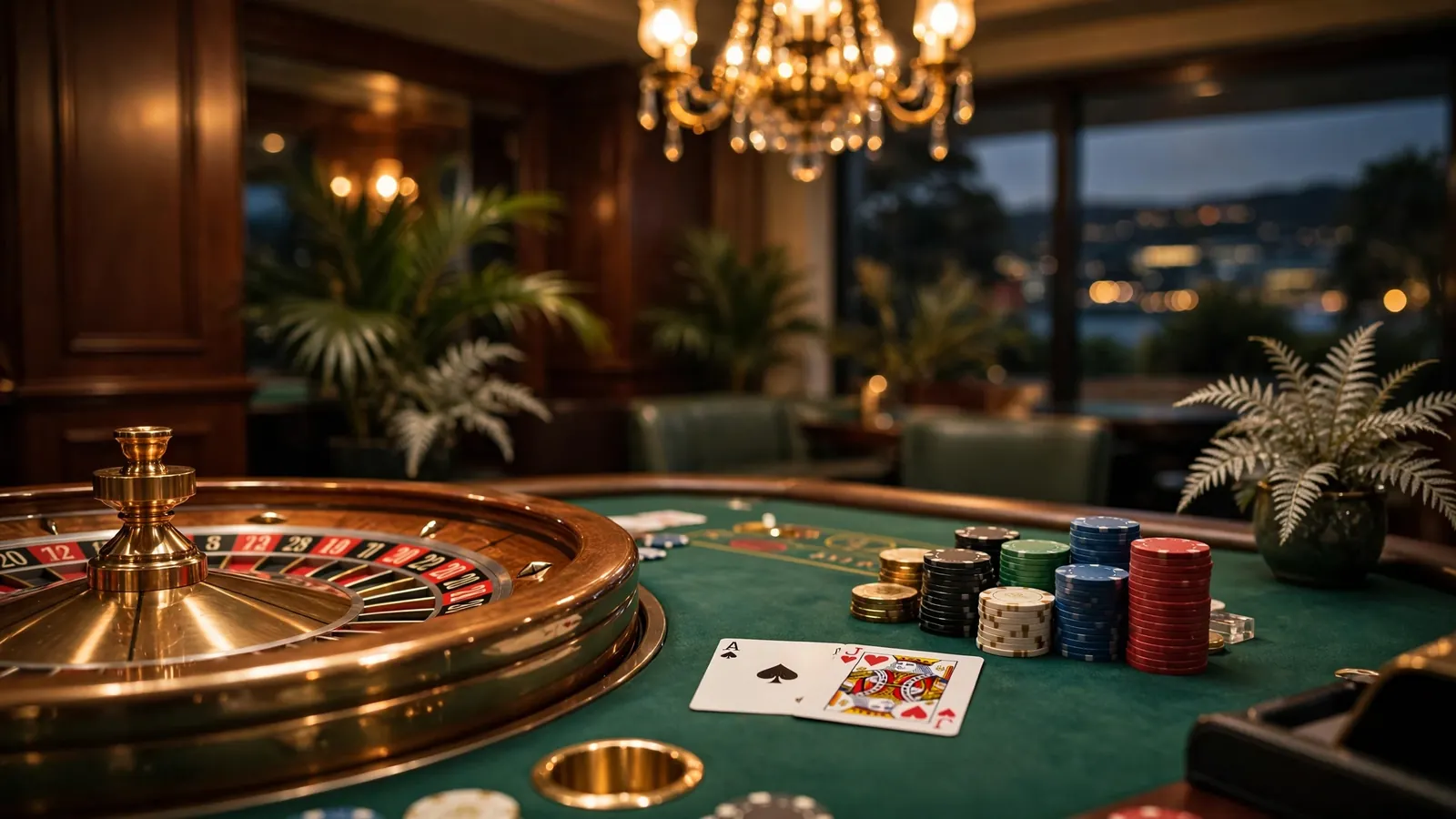
A free blackjack game can also make it easier to concentrate on the flow of a hand. You see the cards dealt by the software and respond within the game’s available options. For someone new to online blackjack, that can make the format feel less unfamiliar: the cards still determine the hand, while the software manages the shuffle and deal. It is a practical way to explore the digital version before deciding whether that style suits you.
The word “free” describes the cost of playing the game itself, not a guarantee about the quality or rules of every version. Online blackjack games can differ, and the details shown at a table matter. A game may look familiar while still using a different set of rules from another one. Treat each game as its own version rather than assuming that everything you learned in one applies unchanged elsewhere.
That distinction matters when you try variants. A version such as blackjack switch may have a different structure from a standard table, so the name alone does not tell you exactly how a hand will proceed. Likewise, a European-style version may present a different ruleset from another blackjack game. Free play can help you see how a particular game is laid out and how its sequence works, but it is not evidence that all variants play identically.
The software shuffle also sets a limit on what this kind of practice represents. It can show you the pace and mechanics of software-based play, but it is not the same experience as sitting at a streamed table. In particular, the faster rhythm should not be mistaken for a more predictable one. A shuffle is still part of the software game, and playing several hands does not establish what the next hand will contain.
Software-based games where a random number generator shuffles the cards, allowing for a faster pace.
Games featuring actual cards dealt at a casino table and delivered via a video stream for a physical feel.
Different versions, such as blackjack switch or European-style, which may have distinct rules and structures.
If you are comparing free online blackjack games, focus on what the game actually displays rather than relying on its label. Check the rules and the available actions before starting, then notice how the software presents each hand. That gives you a clearer sense of whether the version is straightforward to follow and whether its format matches what you want to try. The point is to understand the particular game on screen, not to infer that every free blackjack table works the same way.
Free online play is most useful as a low-pressure introduction to the mechanics of digital dealing. It lets you experience a software-shuffled game at a pace that can be quicker than live dealing, while keeping the distinction between a digital table and a streamed casino table clear. If you are simply looking to try blackjack online for free, that is the central difference to expect: the cards are handled by software, and the game can progress without the pauses involved in a physical deal.
Live-Dealer Blackjack for a More Table-Like Game
Live-dealer blackjack replaces animated cards with actual cards dealt at a casino table and shown through a video stream. That gives the game a more physical feel than software-based blackjack: you can watch the cards appear on the table rather than see a digital game generate them. The stream is still part of the experience, though, so it is not the same as sitting in the room.
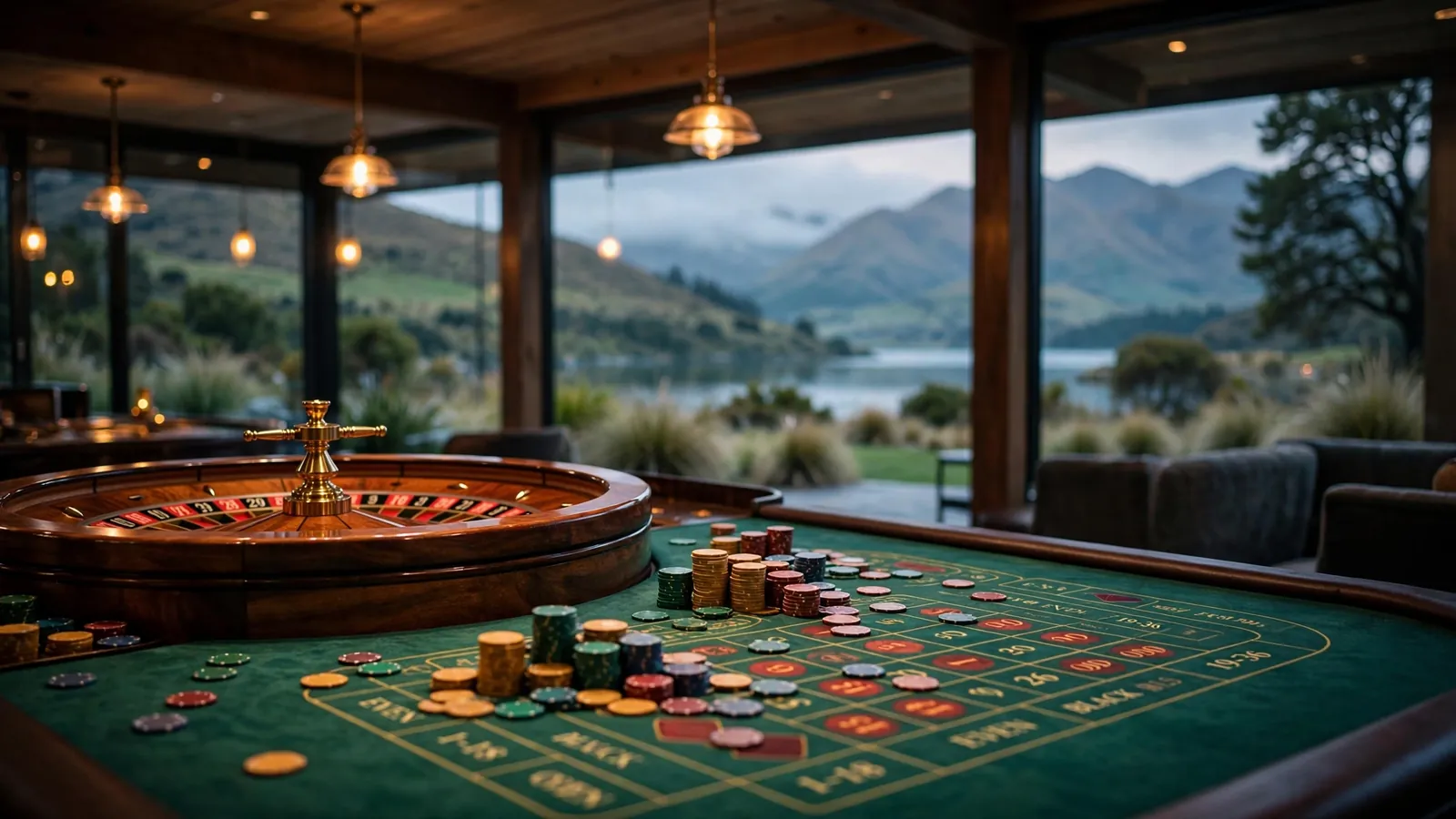
The difference is mainly in how the game reaches your screen. In software-based blackjack, the game uses software shuffles, and play can move faster because it does not depend on a video feed. Live play adds the process of showing the table and dealing the cards on camera. A delay in the stream can make the action feel less immediate, particularly if you are used to a quicker digital game.
That extra layer matters when you are deciding what kind of free blackjack to play for fun. A free-play option, where available, can let you see whether the streamed format suits you without placing a cash bet. But free access is not a defining feature of live-dealer games, and it should not be assumed for every table. Check what the particular game offers before you start.
A live table may also require higher bets than a software-based game. This can limit its appeal if you want to play casually or keep the stakes low. The more realistic presentation does not make it a better fit for every player; it is a trade-off between seeing actual cards dealt and accepting the stream’s pace and the table’s betting conditions.
The camera view can make the dealing process easier to follow, but it does not remove the need to pay attention to the game. You are still watching a streamed presentation, and any delay can affect how quickly you see what has happened. If the feed feels slow, that is part of the format rather than evidence that the cards are being dealt differently.
Attention: A live-dealer table may require higher bets than a software-based game, which can limit its appeal for casual play.
People sometimes use “multiplayer” to describe an online table, but the label alone does not tell you what the experience will be like. The relevant distinction here is whether the cards are dealt by a live dealer and shown through a stream, or generated by software. Focus on that description and on the stated betting conditions rather than assuming that a multiplayer label guarantees a particular kind of interaction.
For a closer-to-table atmosphere, live dealing may be appealing. For quicker play, software-based blackjack may feel more direct. Neither format changes the basic point that a streamed game depends on a video connection, while a software game uses software shuffles. If you are trying a live table, consider whether its pace and required bet suit the kind of session you want.
Free-Bet and No-Deposit Offers: Read the Conditions
“Free bet” and “no deposit” describe how an offer is presented, not what you can necessarily keep or withdraw. A free bet may come with conditions on how it can be used, while “no deposit” means you may not need to make an initial payment to access the offer; it does not establish that any resulting balance is withdrawable without further steps. Read the terms before you opt in, and treat the offer as conditional rather than as guaranteed money.
Start by finding the complete bonus terms, not just the short promotional wording. Check who is eligible, what action activates the offer, which games qualify and what must happen before any winnings can be withdrawn. Look for expiry conditions and any restrictions on withdrawing or using a bonus balance. If a condition is unclear, do not assume the most favourable interpretation. A headline cannot replace the rules that govern the offer.
For a blackjack free bet, pay particular attention to the game-specific terms. The rules may say whether blackjack counts towards wagering requirements and, if it does, how it counts compared with other games. That distinction can affect how much qualifying play is needed. Do not assume that every hand contributes in the same way, or that playing blackjack alone will satisfy the requirement. If the terms do not explain the contribution clearly, ask the operator for clarification before accepting the offer.
Check for a maximum-bet rule during wagering, too. A bonus may restrict the size of bets while its conditions are being met, and exceeding the stated limit may affect eligibility for bonus funds or winnings. Find out when the restriction applies and how the terms define a bet. This matters even when the offer is described as exclusive or free: those labels do not remove the conditions.
Also examine which blackjack table the offer covers. Rules and payouts can differ between games, including the number of decks, how the dealer handles a soft seventeen, whether surrender is allowed and the payout for a natural blackjack. A table’s rules affect what happens during play, while the bonus terms determine whether that play qualifies for the offer. Check both rather than assuming that a game labelled blackjack is interchangeable with every other blackjack game.
Assessing Bonus Offers
- Find the complete bonus terms and eligibility
- Check if blackjack counts towards wagering requirements
- Identify any maximum-bet rules during wagering
- Verify which specific tables the offer covers
- Clarify if the stake is returned with winnings
A “free bet” does not necessarily mean that the amount staked will be returned to you along with any winnings. Before playing, look for wording that explains what happens to the stake, how a winning hand is settled and whether any winnings remain subject to wagering requirements. If the offer is framed as free blackjack money with no deposit, check whether the balance is bonus funds, cash, or a mixture, and what conditions apply to each. The distinction can be more important than the headline.
Do not treat a blackjack free bet payout as a fixed return. The result depends on the hand and the table’s rules, and the offer may impose separate conditions on qualifying play and withdrawals. If the terms discuss a game’s return to player, remember that this is not a promise about what you will receive in a particular session. It does not cancel bonus restrictions or make an individual outcome predictable.
A useful way to assess an offer is to read it in this order: what you receive, what you must do to qualify, which blackjack games count, how wagering requirements apply, what bet limits operate during that period, and what must be true before you can withdraw. Then check the relevant table’s rules and payout information. If you cannot find an answer to one of those questions, the offer is not clear enough to make a sound comparison.
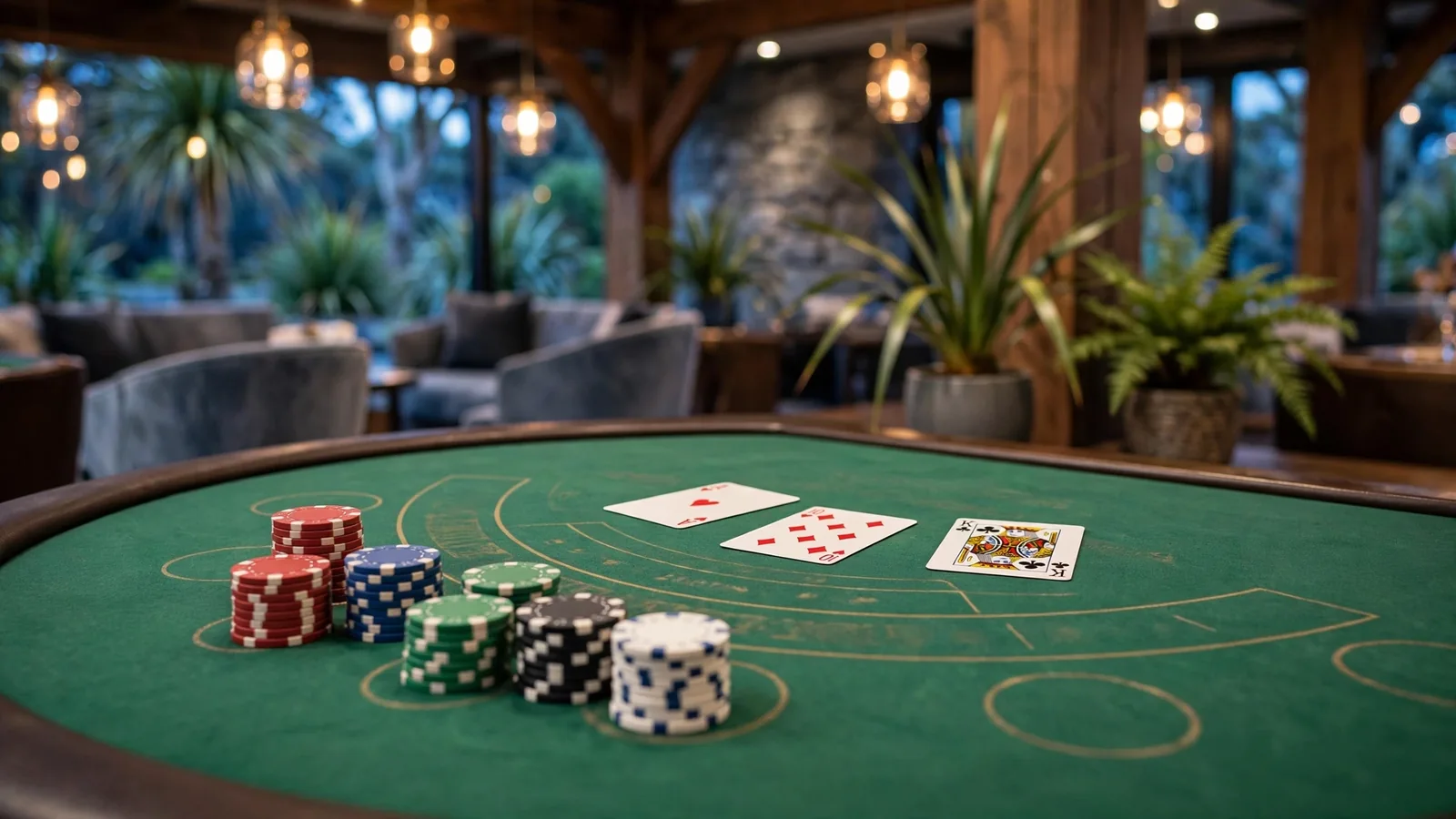
Even an offer that requires no deposit can involve time, play and uncertainty. You may not meet its conditions, and playing more does not guarantee that you will. Set a budget before playing with your own money, keep bonus play separate from money you can afford to lose, and do not chase losses in an attempt to complete wagering requirements. A promotion does not change the underlying risks of blackjack.
If you decide to use an offer, save or revisit the terms that applied when you accepted it. Promotional wording may be shorter than the full conditions, and the details that matter are often the ones about game contribution, maximum bets, eligible tables and withdrawals. Read those provisions before starting, not after a balance or payout is in dispute.
Download-Free Blackjack and Unblocked Access
A blackjack game that runs in a browser can spare you the step of installing a separate program. That can be useful on a device with limited storage, or when you simply want to open a game and see how it works before deciding whether to use it again. But “no download” describes how you access the game; it does not, by itself, tell you whether the game is free, whether you need an account, or whether it will load on your device.
Those are separate questions. A game may run without an installation but still ask you to register. Another may allow play without registration but require a download. A free-play option can also be available only after you open an account. Check what the page asks you to do before assuming that “free blackjack” means free, immediate access with no sign-up.
Understanding Access
A “no download” label refers to the access method (browser-based) but does not guarantee that the game is free, unblocked on your network, or accessible without registration.
What “unblocked” can and cannot mean
The phrase “unblocked” is often used for a game that someone hopes to open on a particular connection or device. It is not a guarantee that the game will be available everywhere. A site may load on one network and not another, or behave differently across devices. Access can depend on the site and the network settings in use; a “no download required” label does not remove those dependencies.
If a page does not open, that does not necessarily mean the game requires an app. The site itself might be unavailable on that connection, or its browser-based game might not work with the device or browser you are using. Conversely, being able to open the page does not establish that every part of the game will work as expected. Treat “unblocked” as a description of access in a particular situation, not a lasting promise.
A browser game may also present different conditions from the page that first led you to it. Before continuing, look for whether play is offered without registration, whether the game is in free-play mode, and whether moving to another mode changes what you are being asked to do. If an account or payment step appears, pause and read the page rather than assuming it is part of a download-free experience.
Freeware, free play and installation
“Freeware” can suggest a program that is free to install, while free blackjack can refer to a game played without wagering money. Neither phrase alone tells you whether installation or registration is required. A browser-based game can avoid the first without avoiding the second. The wording on the page should make clear what is being offered; if it does not, do not treat the label as an answer.
For online RNG blackjack, the dealing is produced by software shuffles. That is a feature of how the game operates, not a statement about whether it is downloadable, free, or accessible on a restricted network. It also does not make the game universally available. A browser interface still has to load and function on the device and connection you are using.
The practical distinction is straightforward: access method, account requirement, cost and network availability are separate checks. A quick glance at the page can help you avoid mistaking one for another. If you want to try a game without installing software, look for an explicit browser-play option. If you want to avoid registration, check for that separately before proceeding. If you want to play without wagering, make sure the mode you have opened is actually free play.
No-download access can make trying a game less involved, but it cannot settle those other questions for you. And “unblocked” is not a universal property of a blackjack game: it depends on where and how you are trying to reach it.
Use a Blackjack Simulator to Practise Decisions
A free blackjack simulator can give you room to think through a hand without putting money at stake. Treat it as a practice tool, not a forecast of what will happen at a real-money table. Its value is in helping you recognise the choices available, pause before making them and notice how a change in the table’s rules can affect your decision.
- Pause and state your reasoning for each action
- Focus on one specific decision per session
- Compare strategy cards with actual table rules
- Judge a decision solely by the outcome of the hand
- Play quickly without reflecting on your choices
- Assume a strategy for one variant fits all games
In blackjack, you can hit, stand, double down or split, subject to the rules of the game. Hitting means taking another card; standing means keeping your current hand. Doubling down and splitting are distinct choices, and whether they are available in a particular situation depends on the table rules. A useful practice session is not simply one in which you play quickly. It is one in which you can explain why you chose an action before seeing what card came next.
That distinction matters because the result of a hand is not a reliable test of the quality of the decision. A choice can be reasonable and still be followed by an unfavourable card. Conversely, a poor choice can appear to work when the next card happens to help. If you judge every decision only by whether the hand won, short-term luck can look like a strategy.
Practise with a purpose
Before starting a session, pick one decision to pay attention to. You might focus on when you consider hitting rather than standing, or on recognising when the option to double down or split is available. Keep the exercise narrow enough that you can review your choices afterwards. Trying to learn every situation at once can turn practice into a long sequence of clicks with little reflection.
When a decision comes up, pause and state your reasoning in plain language. If the simulator lets you review previous hands, use that record to check whether your reasoning was consistent. If it does not, you can still make brief notes as you play. Record the situation and the action you selected, rather than just the outcome. The aim is to spot patterns in your thinking, not to build a record of lucky or unlucky hands.
A free blackjack practice session can also help you get comfortable with the pace of making decisions. Take the time to read the options presented instead of selecting an action automatically. If the game offers a choice that you do not understand, stop and check the table’s rules before continuing. Practising an action without knowing what it does is repetition, not learning.
A free blackjack strategy card may serve as a reference, but it should match the specific variant you are playing. Blackjack variants do not all use the same rules, and those differences can affect both strategy and the house edge. A recommendation that fits one game may not fit another. Before relying on a reference, compare its assumptions with the table rules; if they do not match, the card may give you a misleading sense of certainty.
Keep practice separate from promises
A simulator can help you rehearse decisions, but it cannot guarantee that you will win when money is involved. It also cannot make every game behave like another: a different set of rules can change which choices make sense. When you move from practice to a different table, take time to check its rules again instead of assuming that familiar decisions transfer exactly.
Gambling Risks
Set a budget before playing with your own money and do not chase losses in an attempt to complete wagering requirements.
Card counting is a separate topic from practising basic choices. In New Zealand, using mental calculation to count cards is not illegal. That legal point should not be mistaken for a claim that card counting will work in an online game or improve a particular result. A simulator session focused on hitting, standing, doubling down or splitting does not establish either.
If you later decide to play for money, set a budget beforehand and do not chase losses. Keep that decision separate from your practice: free play may help you understand the choices, but it does not remove the uncertainty of gambling. The useful outcome is clearer thinking about the options and the rules, not a promise of profit.
New Zealand’s Online Casino Licensing Transition in 2026
New Zealand’s online casino rules are changing under the Online Casino Gambling Act 2026, which took effect on 1 May 2026. The law creates the country’s first domestic licensing system for online casino gambling. Until then, the Gambling Act 2003 had barred online casinos from being based in New Zealand, while gambling services provided from overseas were not licensed or supervised by a New Zealand regulator. Customers using offshore sites had no domestic government recourse.
The transition is not an open invitation for new providers to enter the market. Only online casinos that were already serving people in New Zealand before the Act began may continue during the transitional period, and only under its transitional provisions. That window runs from 1 May to 1 December 2026. The full licensing regime is expected to be operating in 2027, so the transition and the final system are not the same thing.
Who oversees the system
The Department of Internal Affairs is New Zealand’s primary gambling regulator and oversees the online casino licensing framework. The Gambling Commission has a distinct decision-making role: it considers and determines casino licensing applications, issues online casino licences and approves changes to licence conditions.

That division matters when you are trying to understand what a provider’s status means. The Department oversees the framework; the Commission decides applications and licence matters. A provider operating during the transition is not, for that reason alone, necessarily a licensed operator under the new regime.
Providers already active in the market must apply if they want to continue under the coming system. Those that have not applied must stop conducting online casino gambling in New Zealand by 1 December 2026. If an application is declined, the provider must cease all online casino gambling operations in the country and leave the market. Unlicensed operation is expected to become an offence around mid-2027, and operators without a licence may face enforcement action and fines of up to NZ$5 million.
What this means when you browse
A free blackjack table does not tell you by itself whether the provider is authorised under New Zealand’s transition rules. The key issue is the operator’s position in the licensing process, not whether you are playing for free or wagering. During the transition, licensed operators may advertise only under tight rules, and sponsorships are prohibited; providers must not advertise online casino gambling services to people in New Zealand during this period.
Licensed operators will also have to apply stricter age and identity checks. These are regulatory requirements, not a feature of a particular blackjack game. The move towards domestic oversight changes who can lawfully provide the service and which bodies make licensing decisions; it does not make every site accessible to New Zealand residents part of the local licensing system.
For readers considering free blackjack in New Zealand in 2026, the practical distinction is between a provider allowed to continue under the transitional provisions and one that has applied for the future licensing regime. The Act sets dates and exit obligations for providers, while the Gambling Commission handles applications and licence decisions. Those are separate parts of the change, and a site’s own description of its status should not be treated as the decision itself.
Does blackjack always pay 3:2?
No. A natural blackjack often pays 3:2, but some tables pay 6:5, so check the payout shown for the game.
What is card counting?
Card counting is keeping track of cards that have been dealt to estimate what cards may remain. The number of decks is one table rule to check.
Is card counting illegal?
No. Using mental calculation to count cards is not illegal under New Zealand law.
Published by the Casino Expert NZ team.