
Litecoin Casinos in New Zealand: Payments and Terms
 Available in US
A practical look at wallet transfers, fees and speed, bonus conditions, game access and checks relevant to New Zealand players.

Table of Contents
- How Litecoin Deposits Move from Your Wallet to a Casino
- Litecoin’s Speed, Fees and the Limits of What They Tell You
- Offshore Litecoin Casinos and New Zealand’s Licensing Framework
- What Litecoin Casino Bonuses Can—and Cannot—Offer
- No-Deposit Litecoin Offers: Check the Terms Before You Claim
- Using Litecoin for Casino Games
- Promo Codes and Free Spins: Read the Eligibility Rules
- Crypto Payments and Live-Dealer Availability
- The Payment Risks to Keep in View When Gambling with Litecoin
- What New Zealand Players Should Verify Before Using an LTC Casino
How Litecoin Deposits Move from Your Wallet to a Casino
An LTC deposit involves a few separate steps: choosing Litecoin in the casino’s cashier, obtaining the payment details shown there, sending funds from your own wallet, and waiting for the casino to credit the account. The process is not complete just because you have pressed “send”. The transfer has to reach the destination, and the casino has to recognise it before the balance appears.
Start in the casino cashier and select Litecoin as the deposit method. The payment screen should provide a destination address, and may also show a QR code or other instructions. Open your wallet, enter or scan the details, and check that the amount and destination match what you intend to send. The address and network must correspond to the casino’s instructions; a transfer sent using incompatible details may not arrive as expected. Do not rely on a saved address from an earlier payment without checking it against the current cashier screen.
After sending, keep the transaction record available. Your wallet may show the transfer as pending before it is completed, while the casino balance may take longer to update. If the deposit has not appeared, check the transaction status in your wallet and compare it with the payment instructions or deposit history in the casino account. If those records do not explain the delay, contact the casino’s support team with the transaction details rather than sending the same amount again. A duplicate transfer would be a poor way to test whether the first one is slow.
If you’re looking for a casino to use with Litecoin in New Zealand, this list gives you a starting point for checking your options. Confirm that Litecoin deposits and withdrawals are currently available to you before you sign up.
Payout speed: 1-3 business days Wintino lists a payout speed of 1–3 business days, a useful detail for you to consider when reviewing its payment arrangements.
License: Curaçao Gaming Authority, licence no. OGL/2024/165/0185 BitStarz lists a Curaçao Gaming Authority licence, number OGL/2024/165/0185.
License: 07017519840 · Payout speed: 1-3 business days Zotabet lists licence number 07017519840 and a payout speed of 1–3 business days.
License: Tobique Gaming Commission, licence no. 0000091 7Bit Casino lists a Tobique Gaming Commission licence, number 0000091.
License: Tobique Gaming Commission, licence no. 0000002 Ricky Casino lists a Tobique Gaming Commission licence, number 0000002.
License: Malta Gaming Authority, licence no. MGA/B2C/370/2017 Play Grand lists a Malta Gaming Authority licence, number MGA/B2C/370/2017.
License: Tobique Gaming Commission, licence no. 0000064 Neospin lists a Tobique Gaming Commission licence, number 0000064.
License: Malta Gaming Authority, licence no. MGA/B2C/394/2017 N1 Casino lists a Malta Gaming Authority licence, number MGA/B2C/394/2017.
Payout speed: 1-3 business days Lamabet lists a payout speed of 1–3 business days, which you can factor into your review of its payment arrangements.
A specialist review reports Litecoin casino deposits clearing in a range of one to ten minutes. That is a reported observation, not a dependable promise for every operator or transaction. The time you experience can differ, and the casino’s own handling of an incoming payment is separate from the transfer itself. Read the cashier’s instructions and any stated processing information before you send money; an estimate published elsewhere cannot override the operator’s current process.
The minimum deposit also varies by casino. A specialist review places the minimum at many Litecoin casinos in the NZ$10–NZ$20 range, but that should be treated as a guide to what one review found, not a fixed market rule. The cashier is the practical place to confirm the amount currently required. Check whether the minimum is displayed in New Zealand dollars or in Litecoin, and whether the displayed value changes as the exchange rate moves. If the amount you plan to send is close to the stated minimum, confirm the requirement before initiating the transfer.

The whole process is more than the time needed for the payment to show as sent. You need to open the cashier, enter the transfer details, complete the payment in your wallet, and allow time for the casino account to reflect it. A specialist review puts an end-to-end bank-to-casino transfer at 15 to 30 minutes. Against that reported comparison, Litecoin may be credited sooner, but neither figure should be read as a guaranteed service level. The bank estimate and the Litecoin range describe reported timings, not a promise that every payment will arrive within them.
For a bank transfer, you follow the bank’s payment instructions and then wait for the casino to register the incoming funds. With Litecoin, you make the transfer from a crypto wallet and check that the casino has credited it. The source of the payment and the steps differ; in both cases, the account balance is the point at which you can see that the deposit has been recognised. A payment that appears complete in your own app may still be awaiting the casino’s update.
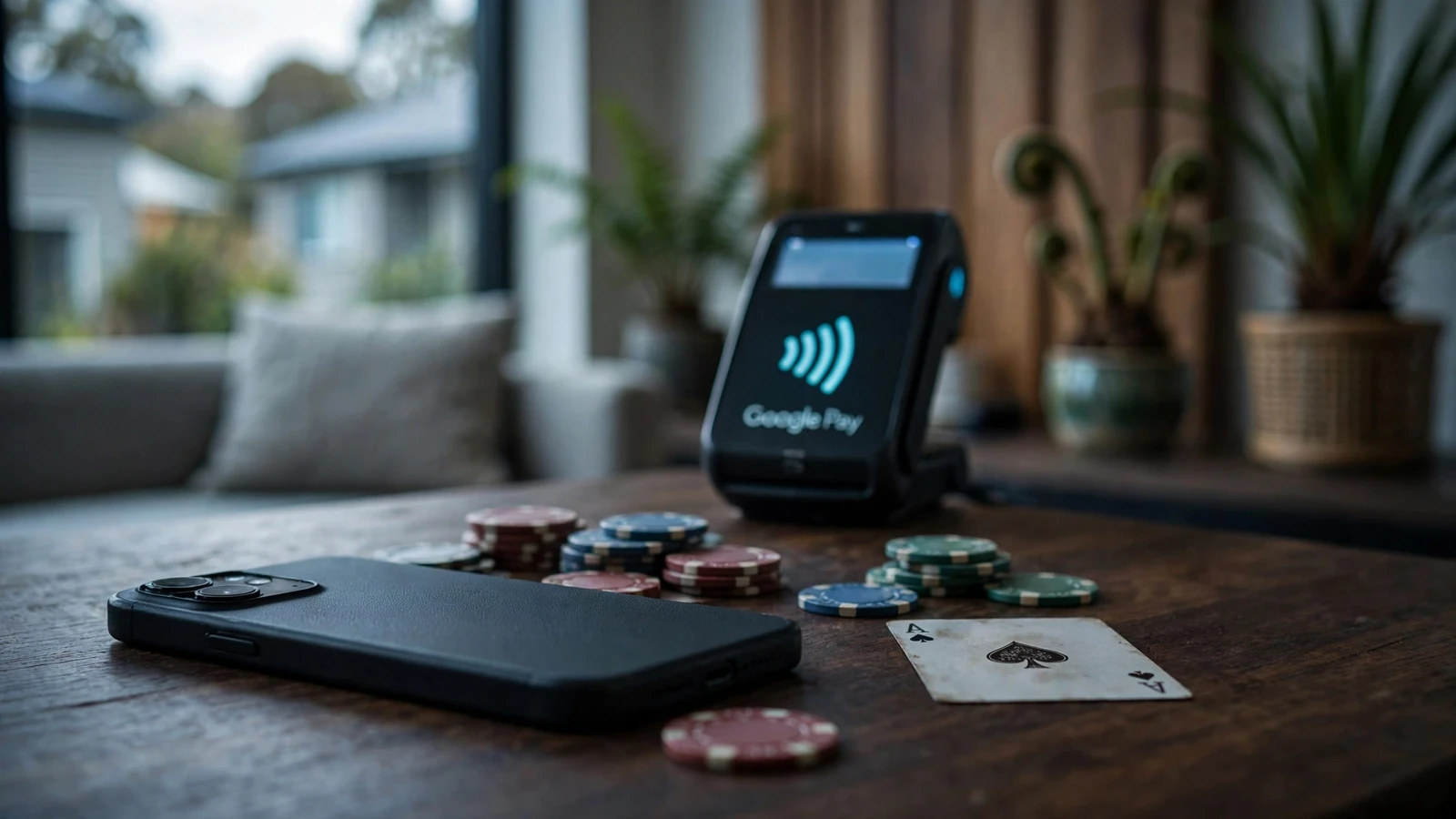
Before using a Litecoin online casino, make sure you can complete each step without guessing. Have access to your wallet, use the address and network shown in the cashier, and note the stated minimum and any deposit instructions. If the cashier does not clearly show how to pay, pause and ask the operator for clarification rather than improvising. The convenience of an electronic transfer does not make unclear instructions safer.
This guide is affiliate-driven and may contain sponsored links. That does not change the practical point: reported processing times and minimums can vary, so check the casino cashier at the time you deposit. For a first payment, begin with the amount you actually intend to send and confirm the details carefully. Do not treat a published estimate as evidence that a transfer has reached your account; look for the credit in the casino balance or ask support to trace the payment.
Litecoin Deposit Process
Go to the casino cashier and choose Litecoin as your deposit method to receive the destination address and QR code.
Open your crypto wallet, enter the casino’s address, and send the intended amount, ensuring the network matches the instructions.
Wait for the blockchain confirmation and check your casino balance to ensure the funds have been credited.
Litecoin’s Speed, Fees and the Limits of What They Tell You
Litecoin’s appeal for a casino deposit is easy to understand: its blocks are produced more frequently than Bitcoin’s, and the cost of a Litecoin transaction can be small. Those features can make it a practical option when you want to move a modest amount. They do not, by themselves, tell you how quickly a casino will credit your account or approve a withdrawal.
Litecoin’s block time is around two and a half minutes. Bitcoin’s is around ten minutes. Block time is the interval at which a new block is added to a blockchain; it is not a promise that every payment will be complete or visible to a casino within that interval. A transaction must be broadcast and confirmed, and the casino must also recognise it under its own payment procedures. The network’s timing and the operator’s handling are separate steps.
Once a crypto deposit has been confirmed, it can move quickly through the payment process. But “quickly” describes a possibility, not a guaranteed arrival time for every casino. A site may apply its own checks before showing funds in your balance. A fast blockchain cannot make those checks disappear, just as a casino’s cashier cannot make a blockchain confirmation happen sooner.
Why a small fee can matter
A specialist review reports that Litecoin blockchain transaction costs have often been below NZD $0.10. That is a reported figure rather than a fixed price: transaction costs can change, so it should not be treated as a fee promise for your next transfer. The useful point is the scale. When the amount being sent is modest, a low network cost may take a smaller bite out of it than a large fee would.

That helps explain why a specialist review characterises Litecoin as a fast, inexpensive choice that many New Zealand players use for smaller deposits. The description should be read as a reported preference, not as proof that most players make the same choice or that Litecoin will be cheapest in every circumstance. Your own cost also depends on the service through which you obtain or send the coin, as well as any charges the casino applies. The blockchain fee is only one part of the payment picture.
Before sending, compare the amount you intend to transfer with the fee shown by your wallet or payment service. If the amount is small, even a modest charge can affect how much reaches the destination. Check the casino cashier’s instructions too; the network and address must match the details it provides. A transaction sent using the wrong network or to the wrong address may not arrive as intended.
Speed is not the same as service
Block time gives you a rough sense of how often Litecoin’s network can add a block. It does not describe the casino’s internal queue, account checks, or rules for crediting deposits. A deposit can therefore be confirmed on the blockchain while still not appearing in your playable casino balance. If that happens, the blockchain timing alone will not explain the delay.
- Compare the transfer amount with the wallet fee
- Verify the destination address and network
- Distinguish blockchain confirmation from account processing
- Rely on saved addresses from previous payments
- Assume block time guarantees immediate credit
- Treat reported network fees as fixed promises
The same distinction matters for withdrawals, though the process runs in the other direction. A casino may need to approve a withdrawal before it sends the transaction to the blockchain. After that, blockchain processing is still required. Crypto withdrawals consequently depend on both the operator’s approval and network processing; a comparatively short block time does not establish how long the casino will take to release funds.
This is why a claim that a casino is “fast” needs context. It might refer to Litecoin’s network, the operator’s handling, or the time from request to receipt. Those are not interchangeable measures. A casino can use a network with frequent blocks and still take longer to review a withdrawal. Conversely, once an approved transaction has been sent, network confirmation is a distinct part of the journey.
Litecoin’s timing and fee characteristics can make it suitable for smaller transfers, but they are not a verdict on a casino’s overall payment service. Check the cashier’s stated requirements and the transaction details before sending, then distinguish blockchain confirmation from the casino’s account processing. That is the limit of what block time and a low network fee can tell you: they describe useful properties of Litecoin, not a guarantee about what happens at the casino.
Offshore Litecoin Casinos and New Zealand’s Licensing Framework
The legal position depends on where an online casino is based and which stage of New Zealand’s licensing transition applies. A casino operating from overseas is not the same as a domestic operator regulated under New Zealand law. That distinction matters when you assess what “licensed” means, and who can respond if a dispute arises.

Under the Gambling Act 2003, online casinos could not be based in New Zealand. The law did, however, allow New Zealanders to play on websites run by operators based offshore. A player using Litecoin at an offshore casino was not committing an offence simply by doing so. That did not mean the overseas operator held a New Zealand licence or was supervised by a local regulator.
That position has changed with the Online Casino Gambling Act 2026, which came into force on 1 May 2026 and created New Zealand’s first domestic licensing system for online casino gambling. The change does not make every offshore casino licensed in New Zealand. Instead, the Act sets rules for providers seeking to operate under the new local regime, with a transition for certain existing services.
An online casino that was already serving people in New Zealand before the Act took effect may continue during the transition, which runs until 1 December 2026. The full licensed system is not expected to be operating until 2027. So, in 2026, the date and the operator’s circumstances matter: a site available to New Zealand players is not necessarily operating under a New Zealand licence. The transition is a bridge, not a blanket endorsement.
Who oversees the framework?
The Department of Internal Affairs (DIA) oversees regulation of the online casino licensing framework. The Gambling Commission has the decision-making role: it hears and determines licence applications, issues online casino licences and approves changes to licence conditions. These responsibilities are distinct. The DIA’s oversight does not mean it has issued a licence to every offshore site that accepts New Zealand customers.
Licensing Warning
An offshore licence is not a New Zealand licence, and using such sites may mean you have no domestic government recourse for disputes.
New Zealand’s established local gambling arrangements are also different from offshore crypto casinos. Local operators regulated by the DIA and TAB do not currently support cryptocurrency payments. That does not make an overseas casino a local operator, or place it under the same regulatory arrangements. Litecoin payment support is a feature of a cashier; it is not proof of a New Zealand licence.
When you see a claim that a casino is “licensed,” check which regulator issued the licence and what jurisdiction it covers. An offshore licence is not a New Zealand licence, and the existence of a foreign regulator does not create a domestic complaint route. In the earlier period, before the 2026 Act took effect, offshore online casino gambling had no New Zealand licensing or supervisory system. Customers wagering on those sites did not have domestic government recourse.
The transition also has limits. Only providers already operating in New Zealand before 1 May 2026 may continue under the transitional provisions, and only until the transition ends. Providers that have not applied for a licence must stop operating in New Zealand by 1 December 2026. If an application is declined, the provider must cease its New Zealand online casino operations and leave the market. These obligations fall on providers, not on individual players.
For a reader considering a Litecoin casino, the practical distinction is therefore not simply “licensed” versus “unlicensed.” Ask whether the operator is based offshore, whether it is covered by the transitional rules, and whether any licence it cites is issued by New Zealand or another jurisdiction. Do not treat a website’s availability, crypto payment options or general licence badge as answers to those questions. This section is general information, not a claim that any particular casino is authorised to operate in New Zealand.

This guide is affiliate-driven and may contain sponsored links. A commercial link does not establish that an operator holds a New Zealand licence or qualifies to operate during the transition. The regulatory status can change as the licensing regime develops, so check current information with the Department of Internal Affairs and the Gambling Commission before relying on a site’s claims.
What Litecoin Casino Bonuses Can—and Cannot—Offer
A Litecoin deposit can qualify for a different promotion from a card payment, but that does not automatically make the offer better. A specialist review gives one illustration: a casino might advertise a 100% match up to NZ$500 for a card deposit and a 150% match up to NZ$1,000 for an LTC deposit. Those figures describe a possible offer, not a standard available at every casino or a promise that the terms will suit you.
Compare the conditions alongside the headline bonus. A larger match can come with a higher wagering requirement, a cap on how much you can withdraw from bonus winnings, or restrictions on which cryptocurrencies qualify. Some offers apply only when you deposit with crypto, while others may name Litecoin specifically. If the terms list eligible coins, confirm that LTC is included before sending a deposit; “crypto bonus” is not precise enough to settle the question.
A wagering requirement is the amount you must bet before bonus funds or winnings can be withdrawn. Check whether it applies to the bonus alone or to the deposit and bonus combined, and whether some games contribute less or do not count. The total required can change the practical value of an offer considerably. One specialist review describes a rollover of 25x to 35x as a fair range, but that assessment is not a rule or guarantee. Read the casino’s own terms to see the actual requirement attached to the promotion.
Bonus Terms
A larger match bonus may come with higher wagering requirements, withdrawal caps, or restrictions on which cryptocurrencies qualify.
Also look for an expiry date, any maximum cashout, and rules that could void the offer. A maximum cashout limits the amount you can withdraw from bonus play, even if your balance is higher. Conditions may also say that withdrawing before completing wagering cancels the bonus, or that a particular payment method makes you ineligible. The details matter more than the banner; promotional arithmetic is rarely the difficult part.
Before claiming, check the terms for the exact promotion and payment method you plan to use. Confirm whether a minimum deposit applies, which games count, how wagering is calculated, and when the offer expires. Do not assume that depositing in LTC qualifies simply because the casino accepts Litecoin. If you cannot establish how the bonus works from the published conditions, skipping it is clearer than accepting terms you cannot evaluate.
This guide is affiliate-driven and may contain sponsored links. That does not change the need to assess each promotion by its written conditions rather than its advertised match. A bonus is an optional set of restrictions attached to play, not extra cash you can necessarily withdraw.
No-Deposit Litecoin Offers: Check the Terms Before You Claim
A no-deposit offer should not require you to send Litecoin to activate it. That is the basic distinction between a genuine no-deposit promotion and a welcome bonus that is available only after you make an LTC deposit. The wording can be less clear than the distinction: an offer may appear on a page about Litecoin bonuses while its terms require a qualifying crypto payment.

Read the promotion’s full conditions before registering or entering a code. Check whether the offer is truly available without a deposit, whether new customers qualify, and whether a particular account or location is excluded. If the terms say you must deposit Litecoin, it is a deposit bonus, even if the headline uses “free” or “no deposit” language.
Work out what wagering applies
Wagering requirements set how many times bonus funds, or bonus funds combined with winnings, must be played through before a withdrawal is permitted. The calculation can make a small-looking offer difficult to use. Check which amount the requirement applies to, which games count, and whether the bonus must be accepted or activated before play.
One specialist review describes a rollover in the 25x–35x range as a fair band, but that is an assessment, not a universal rule or guarantee of value. The casino’s own terms determine the requirement for a particular offer. If the wording does not make the calculation clear, treat that uncertainty as a reason to pause rather than assume the most favourable interpretation.
Check payment and cashout restrictions
Crypto promotions can have conditions that do not apply to every payment method. A specialist review notes that terms may restrict eligibility to selected cryptocurrencies or to crypto deposits, and may impose a maximum cashout. For a no-deposit offer, check whether Litecoin is an eligible method at all: the fact that a casino accepts LTC does not establish that an LTC promotion can be claimed without depositing.
Claiming No-Deposit Offers
- Confirm the offer is truly available without a deposit
- Verify that Litecoin is an eligible method for the promotion
- Check the wagering requirements and eligible games
- Identify any maximum cashout limits
- Note the expiry date of the offer
Look for the cashout cap and any rule about withdrawing before wagering is complete. A cap can limit the amount you may receive even if your balance is higher. Also check whether taking the offer affects access to other promotions or changes the order in which real and bonus funds are used.
Read the small print before claiming
Check the expiry date, wagering rules, eligible games and any restrictions on withdrawals before you claim. These conditions can determine whether winnings are withdrawable, not just whether the offer appears in your account. Keep a copy of the terms shown when you opt in; promotion wording can change, and a code alone does not prove which conditions applied.
If the terms require an LTC payment, do not treat the offer as no-deposit. If they are unclear about eligibility, wagering or cashout, the practical value of the promotion is unclear too. A bonus is not money in hand until its conditions have been met.
Using Litecoin for Casino Games
Once a casino has credited your Litecoin payment, the amount is generally shown as a playing balance in New Zealand dollars or an equivalent stablecoin. The display currency matters: you may have sent LTC, but the balance used at the tables or in the game lobby may no longer be displayed as Litecoin. Check the cashier and account balance to see how the site represents the funds before you place a bet.

From there, the payment-to-play process is much like using a balance funded by another method. You select a game, choose a stake within the options available, and confirm the bet. The casino deducts the stake from your account balance. If a game returns winnings, they are credited to that balance, where they can be used for further play or left in the account. The precise interface and balance labels vary by operator, so do not assume that a displayed fiat or stablecoin figure is a live LTC quote.
This distinction can help avoid confusion when you are playing casino games with Litecoin. The amount of LTC you transferred and the balance shown for betting are not necessarily presented in the same unit. A casino may convert the deposit when it credits your account, then keep the playable balance in its chosen display currency. What you see on screen is therefore the amount available for wagering under the site’s accounting, rather than a promise that each bet is being sent individually across the Litecoin network.

Before starting, confirm that the payment has appeared in the casino balance and that the balance is available for the game you intend to play. Some account screens distinguish between funds available to wager and other balances or credits. If the displayed amount seems inconsistent with what you expected, pause and check the transaction and account details rather than placing bets to test it. Once money has been wagered, it may be harder to separate the original deposit from subsequent results.
It is also worth checking whether the casino lets you switch the account’s display currency and what happens if you do. A change in the figure shown does not necessarily mean that new Litecoin has been sent or received; it may simply reflect how the account presents the existing balance. Keep track of the unit used for stakes and results, particularly if the cashier and game screen use different labels.
Attention Your playable balance may be displayed in NZD or a stablecoin, meaning the figure on screen is the casino’s accounting rather than a live LTC quote.
In practical terms, Litecoin is the funding route, while the casino balance is what you use to play. The important step after the transfer is understanding how the site converts and displays that balance, then confirming that the amount shown is available before betting.
Promo Codes and Free Spins: Read the Eligibility Rules
A code can look straightforward while its terms make it unusable for your account or payment method. Before entering an LTC promotion, check whether the offer is available to New Zealand players, whether it applies to Litecoin deposits specifically, and whether the code must be entered before you deposit. A code intended for another cryptocurrency may not qualify, even if the casino accepts Litecoin.
Free spins need their own eligibility check. Read which games they can be used on, when they expire and whether any winnings from them are subject to separate conditions. The words “free spins” do not, by themselves, explain whether the resulting winnings can be withdrawn.
A specialist review notes that crypto promotions can restrict eligible coins, require wagering, cap cashouts or apply only to deposits made with cryptocurrency. Treat those as possible terms to verify, not as conditions that apply to every offer. If the wording does not say whether Litecoin qualifies, ask the operator before claiming rather than assuming that “crypto” includes every coin.
Pay particular attention to wagering requirements: these specify how much qualifying play is required before bonus-related winnings can be withdrawn. Check which bets count, whether the bonus balance must be used first, and whether a maximum cashout applies. A cashout cap can limit what you may withdraw even after meeting the wagering condition.

Keep a record of the offer and its terms when you claim it. If the cashier, promotion page and code instructions appear to conflict, pause and get clarification in writing. A code entered successfully is not proof that every eligibility condition has been met.
This guide is affiliate-driven and may contain sponsored links. A promotion’s presence here is not an endorsement; assess its terms before deciding whether to use it.
Crypto Payments and Live-Dealer Availability
A casino’s cashier and its game lobby answer different questions. The cashier shows which payment methods the site accepts; the lobby shows which types of games it offers. Seeing Litecoin listed as a deposit option does not establish that live-dealer games are available, or that those games can be played with an account funded in Litecoin.
Bitcoin is the most widely accepted cryptocurrency, while many sites also support Ethereum, Litecoin, Tether and other coins. The choice varies by operator, so check the cashier rather than assuming that a site accepting one cryptocurrency accepts another. If you are comparing crypto-friendly casinos, confirm that Litecoin is listed specifically and that the relevant payment route is available to you.
Then check the game lobby separately. Live-dealer games involve a dealer and a live video stream, but the presence of that category does not by itself tell you whether the games are accessible in your account or under the conditions you intend to use. A site may accept Litecoin yet offer no live-dealer section; another may show live games while applying separate rules to deposits, balances or access. The payment logo is not a game catalogue.
Verification Step
Independently verify both Litecoin acceptance in the cashier and live-dealer availability in the lobby before playing.
Before relying on a live-dealer listing, open the category and inspect the information shown for the games. Check whether the lobby indicates any access restrictions and whether the displayed balance or currency can be used for those tables. If the cashier and game information do not make this clear, ask the operator’s support team and keep the response. Avoid treating a general claim that a site is crypto-friendly as confirmation of a particular game feature.
This distinction matters when assessing Litecoin live-dealer casinos: the phrase combines two separate requirements, not one. Verify both independently—Litecoin acceptance in the cashier and live-dealer availability in the lobby—before deciding whether the site meets your needs. This article is affiliate-driven and may contain sponsored links; that does not replace checking the operator’s own payment and game information.
The Payment Risks to Keep in View When Gambling with Litecoin
A quick deposit does not guarantee an equally quick withdrawal. Crypto deposits can move quickly once confirmed, but a cashout has an extra step: the casino may need to review and approve it before the transaction is sent to the blockchain. The time therefore depends both on the operator’s processing and on the network. Do not treat a deposit’s speed as a promise about withdrawals.

There is also a difference between the amount of Litecoin in your account and what that amount may be worth. A specialist review notes that a balance held in a volatile coin can rise or fall in value. If the casino displays your balance in NZD or another currency, check how it handles conversion and whether the balance remains in Litecoin or is converted. A change in coin value can affect what you can later withdraw, even if the number of coins has not changed.
Sending crypto requires care because a completed transfer cannot be reversed. Before confirming a payment, compare the destination address with the address shown in the casino cashier and make sure the sending network matches the one specified there. Do not send Litecoin to a Bitcoin address, or Bitcoin to a Litecoin address. A copied address can still be the wrong one; verify it rather than relying on the first and last characters alone.

Keep the withdrawal address just as carefully checked as the deposit address. If you enter the wrong destination, there may be no way to recover the funds, and a casino cannot necessarily undo a blockchain transaction after it has been sent. Pause before confirming, especially when moving between wallets or networks.
This guide is affiliate-driven and may contain sponsored links. That does not change the need to check payment details and the operator’s withdrawal terms before transferring funds.
What New Zealand Players Should Verify Before Using an LTC Casino
Before opening an account, check what identity documents the operator may request and how it handles them. You will likely need to provide photo identification and proof of address, regardless of whether you pay with Litecoin or another method. These checks may arise when you register or later, so do not assume that a crypto payment removes the need to verify who you are.
Read the operator’s account and complaint procedures before depositing. The casinos covered in this guide do not provide a local Department of Internal Affairs (DIA) dispute channel for New Zealand players. If a payment or account issue arises, you should not expect to take it to the DIA as a local route for resolving a dispute. Find out how the operator accepts complaints and what records you should keep.
Treat access to an offshore site and access to local help as separate questions. A site may accept New Zealand customers, but that does not itself provide a domestic dispute process. Keep copies of account messages and relevant transaction details, and avoid depositing until you understand the operator’s verification and complaint procedures.
This page is affiliate-driven and may contain sponsored links. That commercial relationship does not replace your own checks: read the operator’s terms and privacy information, and consider whether you are comfortable providing the requested documents before creating an account.
Is it legal for New Zealand players to use offshore casinos?
Yes, New Zealand’s Gambling Act 2003 permits you to play at online casinos based outside New Zealand. The casinos listed in the guide do not provide a local DIA dispute channel.
Are Litecoin casinos legal in New Zealand?
Yes, you can use Litecoin at offshore-licensed casinos. Local operators regulated by the DIA and TAB do not currently support crypto payments.
How fast are deposits and withdrawals with Litecoin?
Litecoin deposits generally clear in 1–10 minutes, while most LTC withdrawals at the best-rated New Zealand casinos have landed within 30 minutes. Withdrawal timing varies because it involves casino approval as well as blockchain processing.
Is Litecoin generally faster and cheaper than Bitcoin for casino transactions?
Yes. Litecoin has an average block time of around 2.5 minutes, compared with Bitcoin’s 10 minutes, and LTC transaction costs are typically just a few cents.
Created by the ”Casino Expert NZ” editorial team.